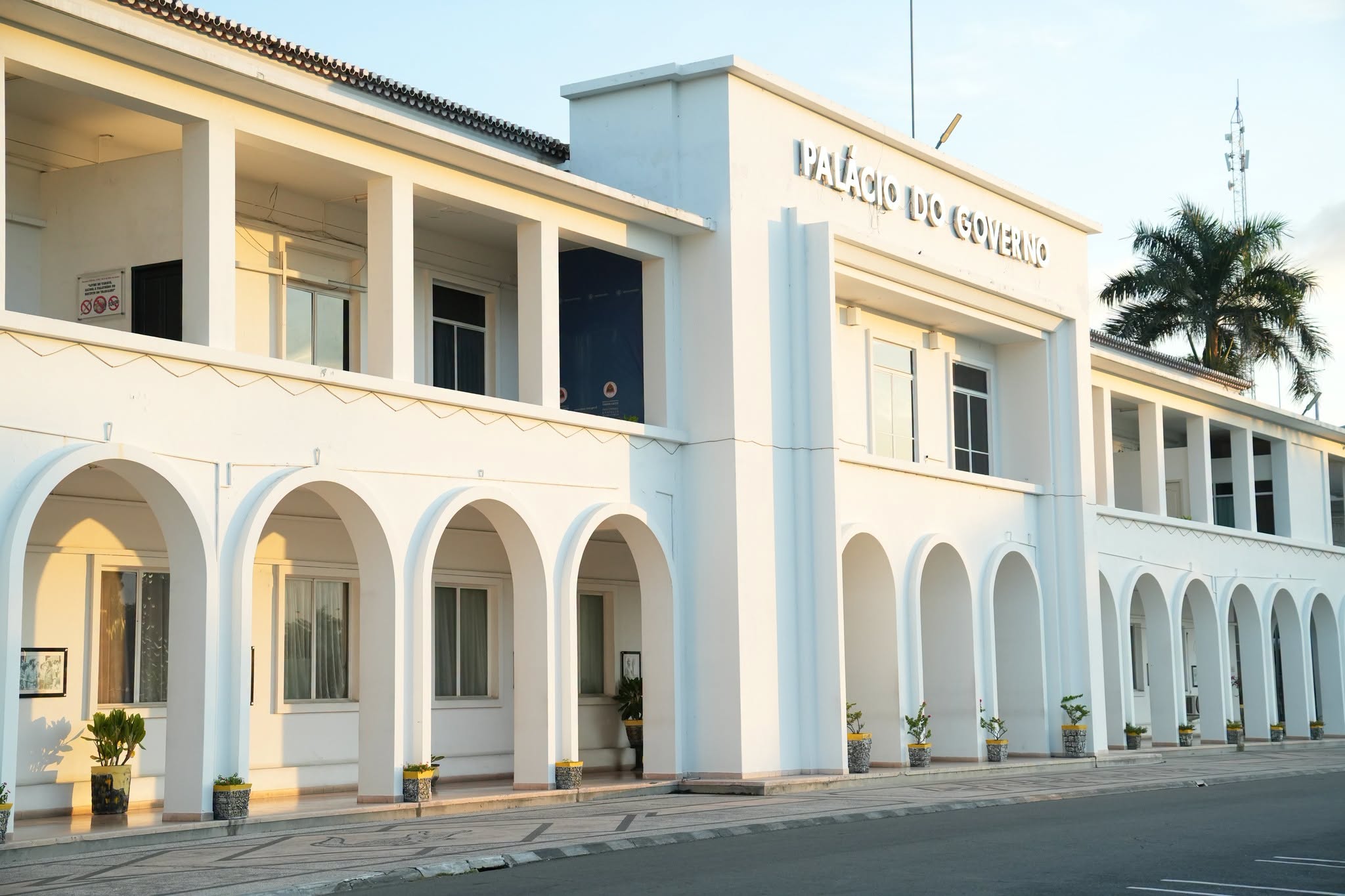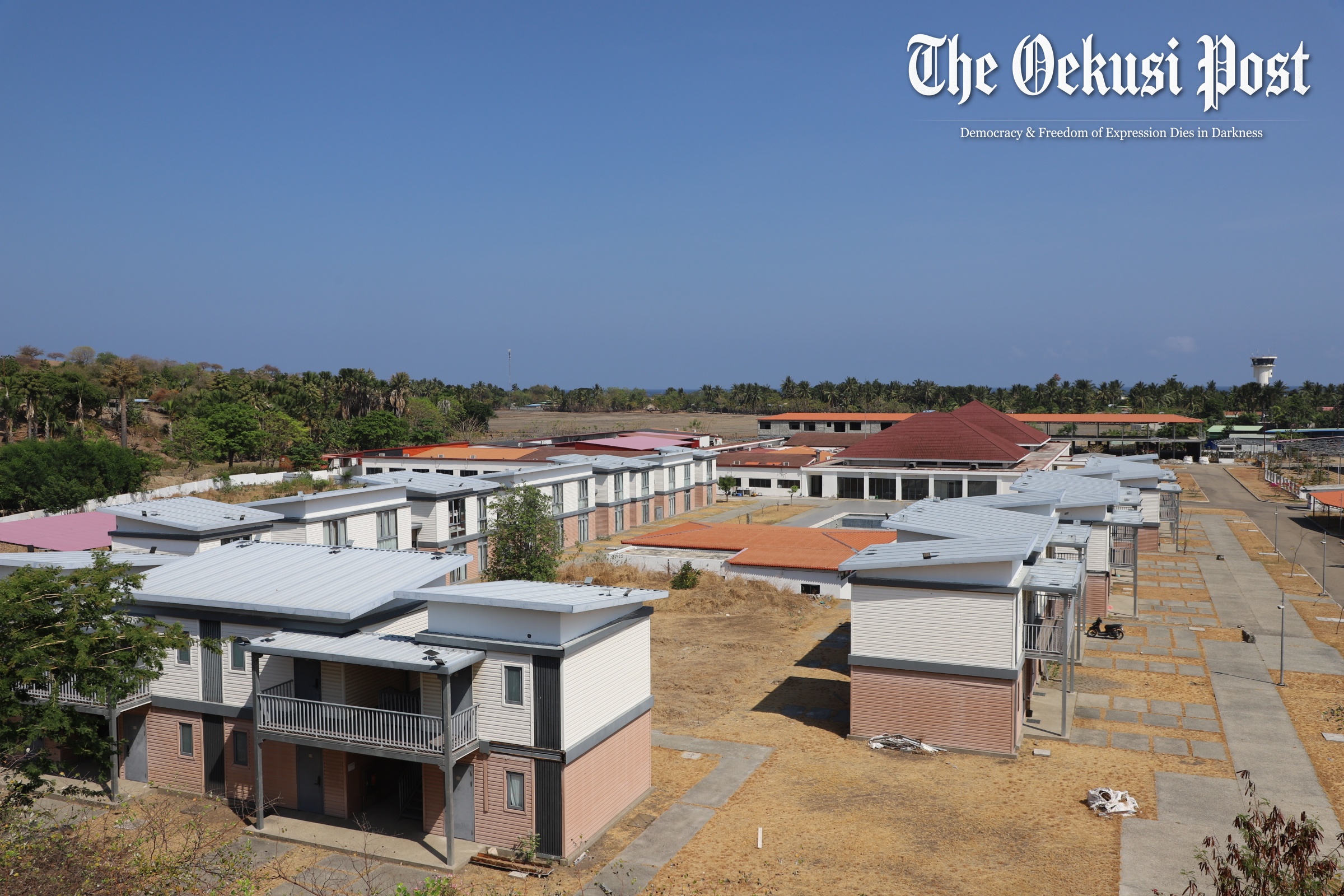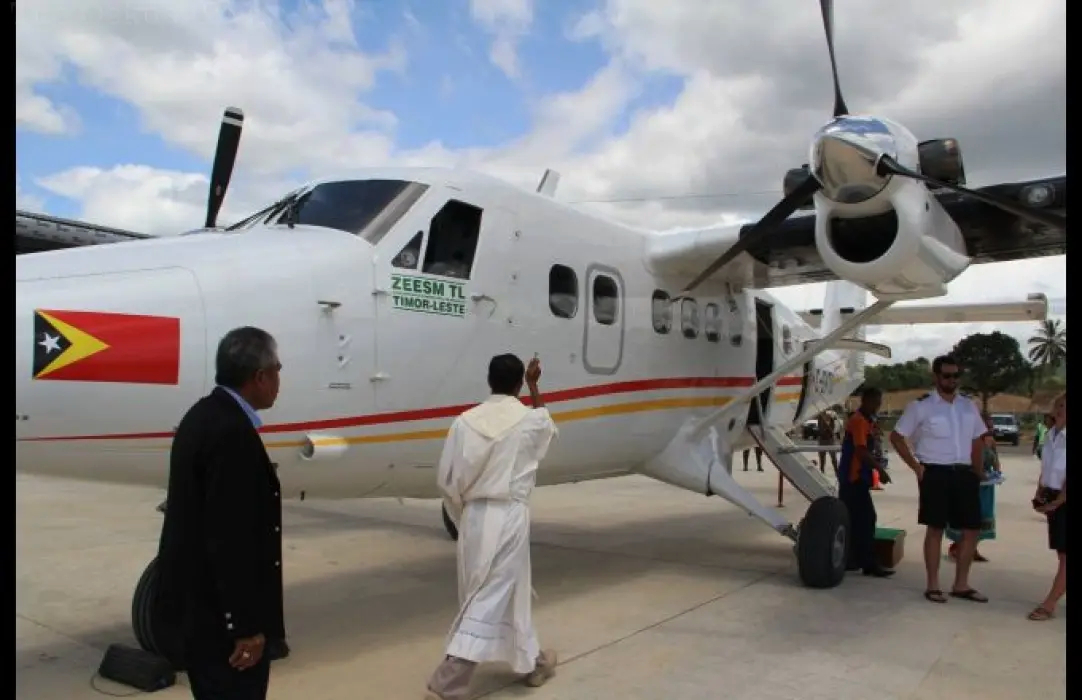




AMBENO (TOP) – One story, two framings. After Woodside Energy agreed to sell its 33.44% stake in Greater Sunrise to Timor GAP, E.P., Timor-Leste's media and Australia's media told the story in different ways. TATOLI, the national news agency, uses the words "buy" and "secure", with Timor GAP as the main actor. ABC News Australia uses the words "exit" and "risk", with the main question being: can Timor-Leste pay or not, and who will end up in control?
This analysis compares TATOLI and ABC articles published between 27 October and 23 November 2026. The conclusions are based only on the articles we read, not on all media.
Facts everyone agrees on
On 27 October 2026, Timor GAP signed a Sale and Purchase Agreement with Woodside Energy to buy its 33.44% stake in the Sunrise Joint Venture, including the titles to the Greater Sunrise field in the Timor Sea. The value announced by the companies is up to US$200 million. Timor GAP already holds 56.56% and on 2 September 2026 announced an agreement to buy 10% from Osaka Gas. Once these two transactions are complete, Timor GAP will hold 100% of the project. Woodside says it expects to complete the transaction in the first half of 2027.
TATOLI: a story of institutional conquest
TATOLI gives a headline that gives weight to Timor GAP: Timor GAP buys Woodside's stake in Greater Sunrise for $200 million. This presents Timor-Leste as the subject taking action, not the object of a decision made from outside.
TATOLI's article quotes Timor GAP President Rui Soares saying that Greater Sunrise represents something bigger than the development of a gas resource. He also said the transaction gives a strong position to accelerate development and to choose the Timor LNG concept, carrying a long-term aspiration for the south coast. TATOLI also shows that the agreement reflects a commitment to orderly and swift development, after the Maritime Boundary Treaty between Timor-Leste and Australia came into force.
On the reason Woodside is leaving, TATOLI gives Woodside's own version: a disciplined portfolio management process and simplification of investments. In this way, the decision is not presented as a project failure, but as a commercial choice by the company.
TATOLI also gives space to FRETILIN, which welcomed the transaction but warned about fiscal prudence. Mari Alkatiri said that 100% ownership means 100% responsibility, including financing, but does not mean that Timor-Leste alone makes the decisions on developing the field. Here, the criticism comes from a political actor, not from an independent analyst.
In the TATOLI articles we read, there is no discussion of the total cost of the project, the sources of financing, or Chinese interest. On payment, TATOLI only describes that Timor GAP will pay according to stages and conditions that have been defined.
ABC: a story of risk, viability and geopolitics
ABC writes the story with different questions. On 18 October, ABC reported President José Ramos-Horta's statement that the long-awaited project "is finally happening". But ABC's critical lens came earlier: on 5 February, a report from Suai already showed Tasi Mane infrastructure as a major risk.
On 27 October, ABC emphasised an analyst's forecast that China could approach the project. On 23 November, an article by journalists Nick Sas and Vonia Vieira (Pacific Local Journalism Network) can get two headlines: one showing the Timor-Leste Government's claim that companies from China and Russia are interested, and the other showing ABC's concern that its Australian neighbour is "heading for disaster".
The "claim, then rebuttal" structure
Petroleum and Minerals Minister Francisco da Costa Monteiro told ABC there is no doubt Greater Sunrise can be developed in the near future, and that companies from Europe, America, Russia, China and Japan have approached. But right after that, MST Financial analyst Saul Kavonic said the project is not big enough. He describes his main point: "It's not big enough. It's just not viable." He also said the Russia scenario is "improbable", and the China option could be a path, but with the risk that Timor-Leste loses part of its economic sovereignty.
Kavonic also acknowledges that Timor-Leste has good reasons to bring the gas onshore and build its own industry. So ABC does not present Timor-Leste's position as irrational, but shows that this path comes at a heavy cost.
Money and transparency
ABC puts major weight on the financial questions:
- The Government has already spent nearly $2 billion on infrastructure in preparation for the proposed pipeline and on buying stakes from the big companies.
- The total development cost is not public. A 2015 report estimated US$20.5 billion, and a report commissioned by the Government in 2021 estimated US$14.1 billion.
- The Petroleum Fund holds about US$18 billion according to the Central Bank, and many analysts anticipate that the Government will need to use a large part of it.
- The Government told ABC that it plans to finance the project with 30% equity and 70% project financing.
- Timor GAP has no experience operating large projects and needs industry support.
La'o Hamutuk Director Marta Da Silva warned that the country could enter a "fiscal cliff" and said the Government "lacks transparency" about the sources of money.
The 5 February 2026 article: the "ghost airport" and Tasi Mane
This article, written by Nick Sas and Vonia Vieira from Suai for the 7.30 programme, shows that ABC's critical lens came before Woodside's exit. It starts not with an analyst, but with an image: an airport that opened in 2017 at a cost of $120 million, but is barely used, with check-in desks with no one at them and an X-ray machine that staff say has never worked. Nearby is a 33-kilometre road costing about $550 million, built by a Chinese consortium, with three large holes in the roadway.
ABC links this infrastructure to Greater Sunrise: the airport and road (Tasi Mane) were built to await onshore gas processing, but that has not happened. The headline used on social media said that this "big and beautiful plan" has gone wrong, and has cost Timor-Leste hundreds of millions.
The sources in this article are:
- Local community: João Gusmão, who said promises about jobs and opportunities for young people did not happen, and hundreds upon hundreds of people were displaced to make way for the project. Promises about a small market, a chapel and a kindergarten also were not kept. Even so, he supports the Government: development slowly, but it needs to prepare for the next generation.
- NGO: Marta Da Silva (La'o Hamutuk), who said there is no return on investment.
- Analyst: Saul Kavonic, who used the words "white elephant", and attributes Timor-Leste's position to "resource nationalism" and the politics of influential people. He also said the project is too small to be economic when built in Timor.
- Government: Prime Minister Xanana reaffirmed that the gas must be processed in Timor-Leste. Woodside declined an interview and referred to its November 2025 statement on cooperation to study the LNG concept in Timor.
The article also reports Australian Prime Minister Anthony Albanese's visit to Timor-Leste. Albanese announced a plan to share back with Timor-Leste, especially a third of Australia's future revenue from Greater Sunrise, but gave no answer on where the pipeline must go, and said there are "commercial matters". This shows that the Australian Government is a subject in the story, not an author.
Kavonic describes three options for Timor-Leste: accept the gas going to Australia, use the "China card" as bargaining, or buy Woodside's share and do it alone, which he describes as a bet of the whole nation's economy on an unproven operator. The third option is what happened on 27 October. This shows that the geopolitical framing (China, sovereignty) already existed in ABC eight months before Woodside's exit.
The main differences
|
Aspect |
TATOLI |
ABC |
|
Central question |
What does Timor-Leste gain? |
Is the project viable or not? Who controls it? |
|
Subject |
Timor GAP buys, secures |
Woodside exits, Timor-Leste at risk |
|
Dominant sources |
Timor GAP, Prime Minister, Woodside |
Analysts, NGOs, minister |
|
Reason Woodside is leaving |
Company portfolio management |
Sign of a weak project |
|
China theme |
Absent in these articles |
Main theme |
|
Money theme |
Weak (FRETILIN only) |
Strong |
|
Value |
US$200 million |
"up to $285 million" |
Note on the value: ABC writes "up to $285 million", while the companies and TATOLI use US$200 million. The likely explanation is the currency difference (Australian dollar versus US dollar), but we have not confirmed this with ABC. Journalists should clarify the currency when using this number.
What each outlet does not show
TATOLI gives no space to independent commercial criticism from analysts, and does not show the questions about cost and source of money. ABC, on the other hand, gives no space to Timor GAP's own voice or to the Government's argument about the benefits of national development for the south coast. The Government did not respond to the "failure" allegation in the articles we read.
The words also matter. ABC describes Timor-Leste as "stubborn" in its path, and shows Timor-Leste as "Australia's neighbour". That is an ABC editorial choice, not a fact.
Questions for the public
This difference in framing is relevant for the Timor-Leste public because it affects how people understand decisions that use the nation's petroleum wealth. The questions that remain without deep answers in these two outlets include:
- The total cost and the 30/70 financing structure: who will lend, and on what conditions?
- The portion of the Petroleum Fund that could be used.
- Who will become Timor GAP's new partner, and on what conditions, especially when discussions include companies from China and Russia.
- How Timor GAP, which has no experience operating large projects, will manage this project.
Note on methodology
This analysis is based on TATOLI articles (Tetum, English and Portuguese, 27–29 Oct.) and ABC (5 Feb., 18 Oct., 27 Oct., 23 Nov.). Other Timor-Leste media, including RTTL, were not included in this analysis because we did not find RTTL's own article on this topic. The framing described here is editorial interpretation, not proof of the media outlets' intentions.
Sources: TATOLI and ABC News Australia articles