


DILI (TOP) – The Timor-Leste Government has approved US$30 million in share capital for the Banco Nacional de Desenvolvimento de Timor-Leste, SA (BNDTL), the National Development Bank of Timor-Leste. This is an important step for the development financial institution that the Government established last year, with the aim of giving national businesses access to credit.
The Council of Ministers approved a draft Government Resolution at its meeting on 28 October 2026. Minister of Finance Santina José Rodrigues F. Viegas Cardoso presented the resolution, which concerns the paying-in (establishment) of BNDTL’s share capital. The State fully subscribes the capital, in the amount of US$30 million. The resolution also authorises expenditure until 31 December 2026, using funds already allocated in the 2026 General State Budget.
Paying in the share capital is a prerequisite for BNDTL’s application for authorisation to the Central Bank of Timor-Leste (BCTL). This means the bank needs BCTL’s authorisation before it can begin operating. BNDTL’s mission is to promote sustainable and inclusive economic development by providing financing solutions for national businesses and projects. The bank will act as a complement to the existing commercial banking system and financial system.
The Council of Ministers approved the draft Decree-Law creating BNDTL at its meeting on 30 July 2025, and the Government published it in the Jornal da República in October 2025 as Decree-Law No. 32/2025. The Decree-Law explains that the Government wants to “close this structural gap” in the financial system, in order to respond to the needs of national investors. It also states that the State of Timor-Leste guarantees BNDTL’s obligations arising from loans or other financing.
Under the decree, BNDTL is a financial institution with exclusively public capital, with legal personality and administrative, financial and patrimonial autonomy, whose objective is to support productive investment and boost the country’s sustainable economic growth. BNDTL’s mission is to fill the market gap in access to medium- and long-term financing and to promote solutions suited to the needs of the Timorese business community, especially in sectors considered strategic, such as agriculture, manufacturing, tourism, infrastructure and social services. The bank may also manage strategic funds, following the Government’s mandate, thereby ensuring its future sustainability and budget neutrality. The decree also establishes that the initial share capital is set at US$30 million, fully subscribed by the State.
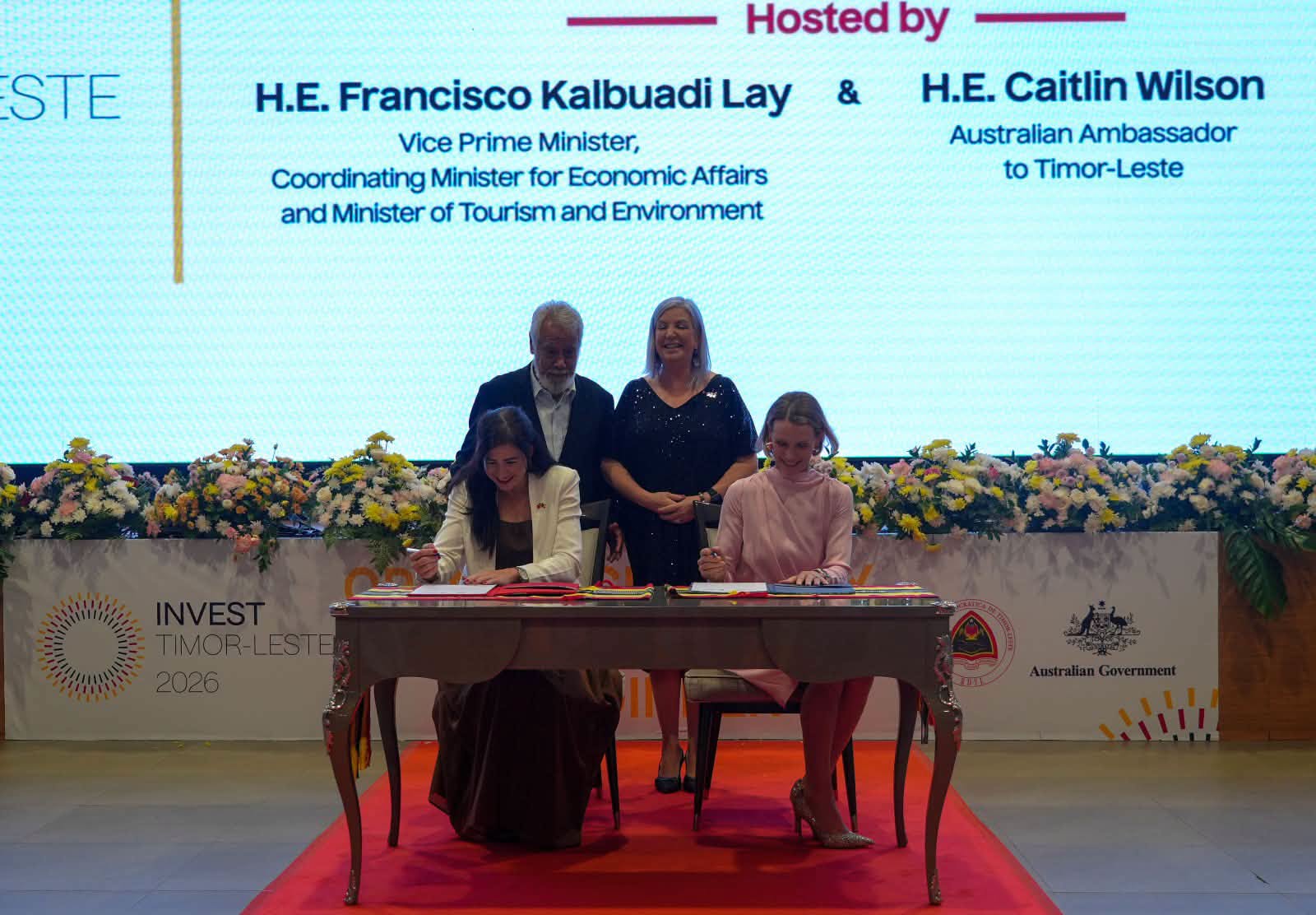
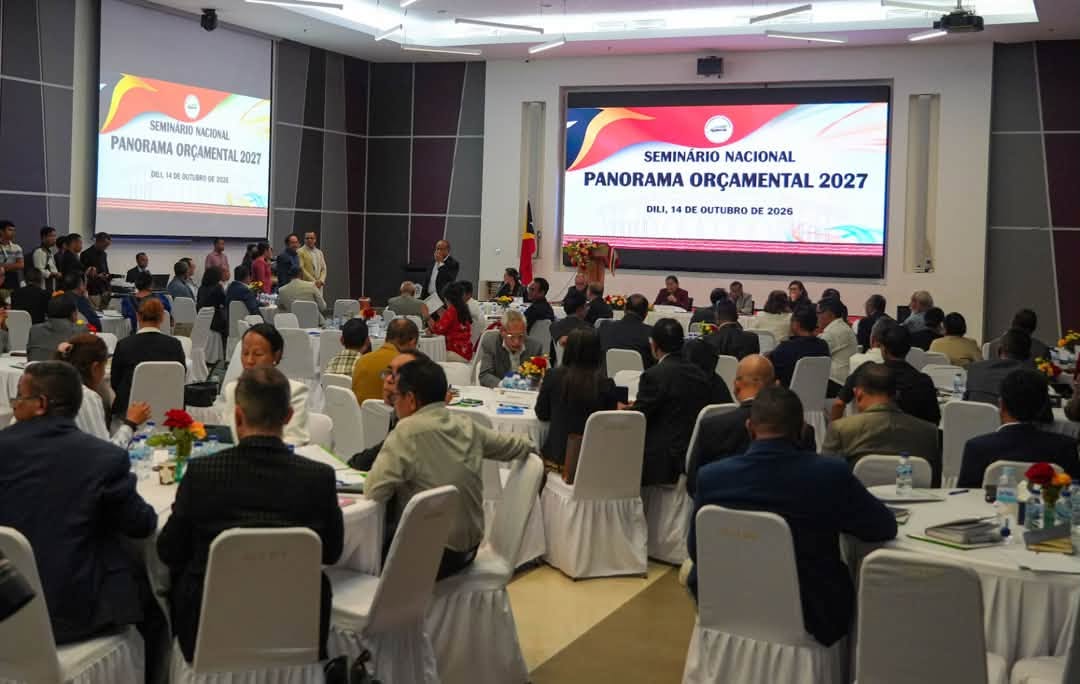
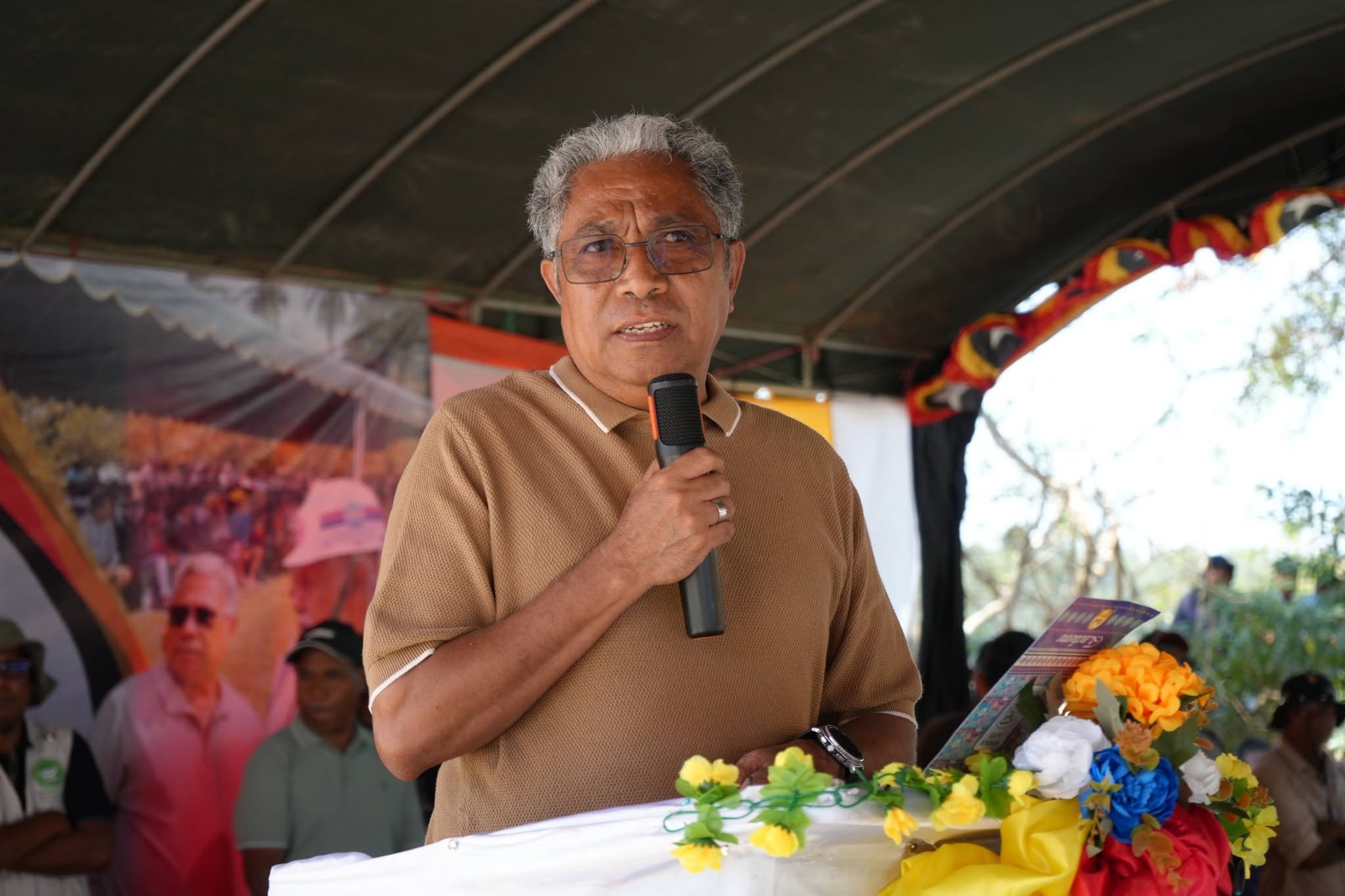
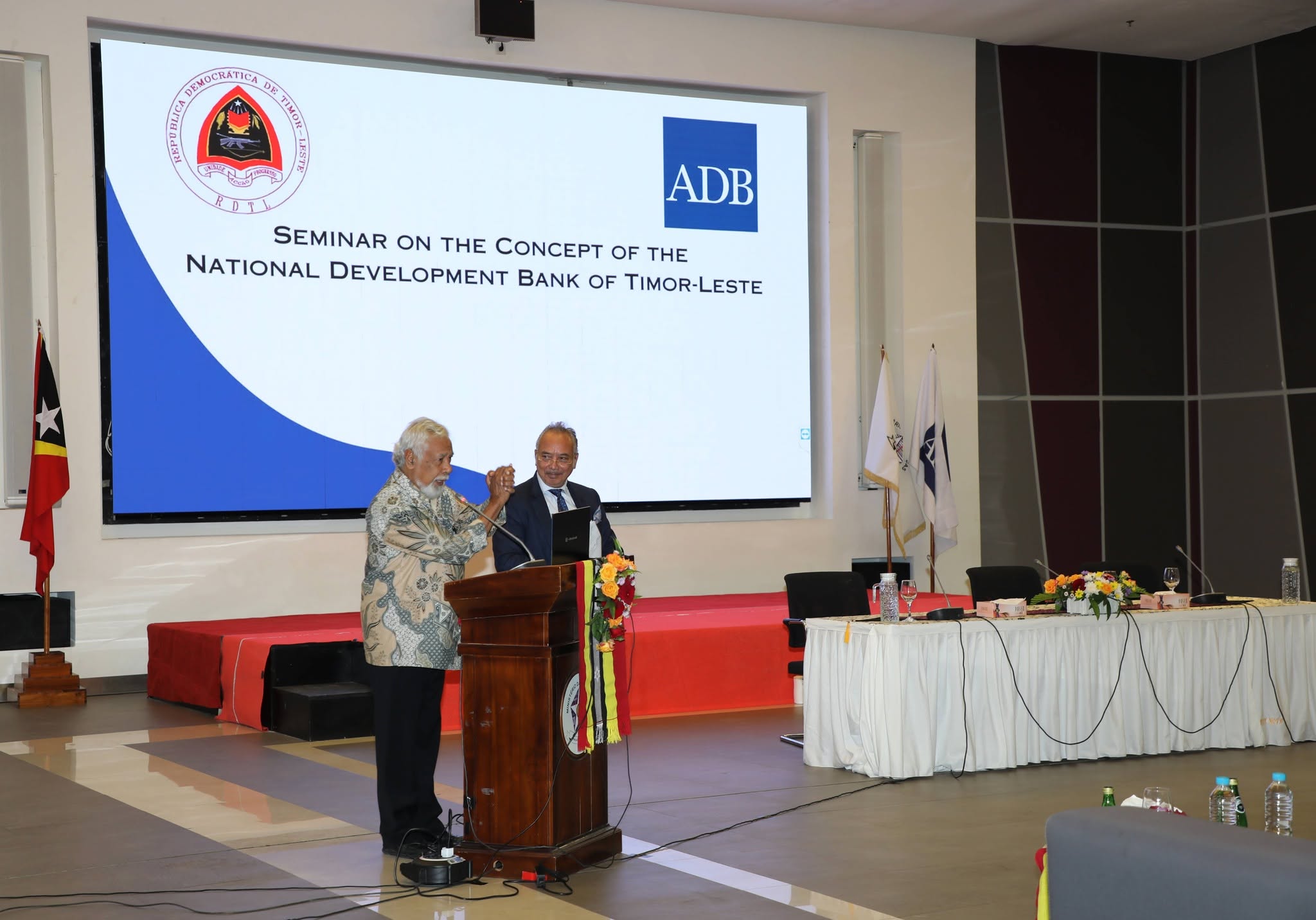
Deputy Prime Minister, Coordinating Minister for Economic Affairs and Minister of Tourism and Environment, Dato’ Seri Francisco Kalbuadi Lay, said the creation of BNDTL will benefit the private sector and all Timorese, to push Timor-Leste’s development forward even faster. He made the remarks to journalists at the Seminar on the Concept of the National Development Bank of Timor-Leste, held in the Kay Rala Xanana Gusmão Auditorium at the Ministry of Finance, Aitarak Laran, Dili, on Friday, 1 August 2025.
“It is truly necessary to establish the National Development Bank of Timor-Leste. This is a commitment that began with the Fourth Constitutional Government, that is, Timor-Leste needs a National Development Bank so that it can give access to credit to our small and medium entrepreneurs, and also push the private sector to get better access to credit, and also to create jobs, because we want to reduce imports and also to grow our other areas such as agriculture and more,” the Deputy Prime Minister told journalists.
He added that the creation of BNDTL is the work of a team of ministries, in particular the Ministry Coordinating Economic Affairs (MKAE), which comprises the Ministry of Agriculture and Fisheries (MAP), the Ministry of Transport and Communications, and the Ministry of Planning and Strategic Investment, including the Ministry of Finance. He explained that BNDTL is a financial institution for the national economy and for Timorese development, and is not a commercial bank. He also said that after the seminar, the process moves straight to the approval of the banking law and its submission to BCTL.
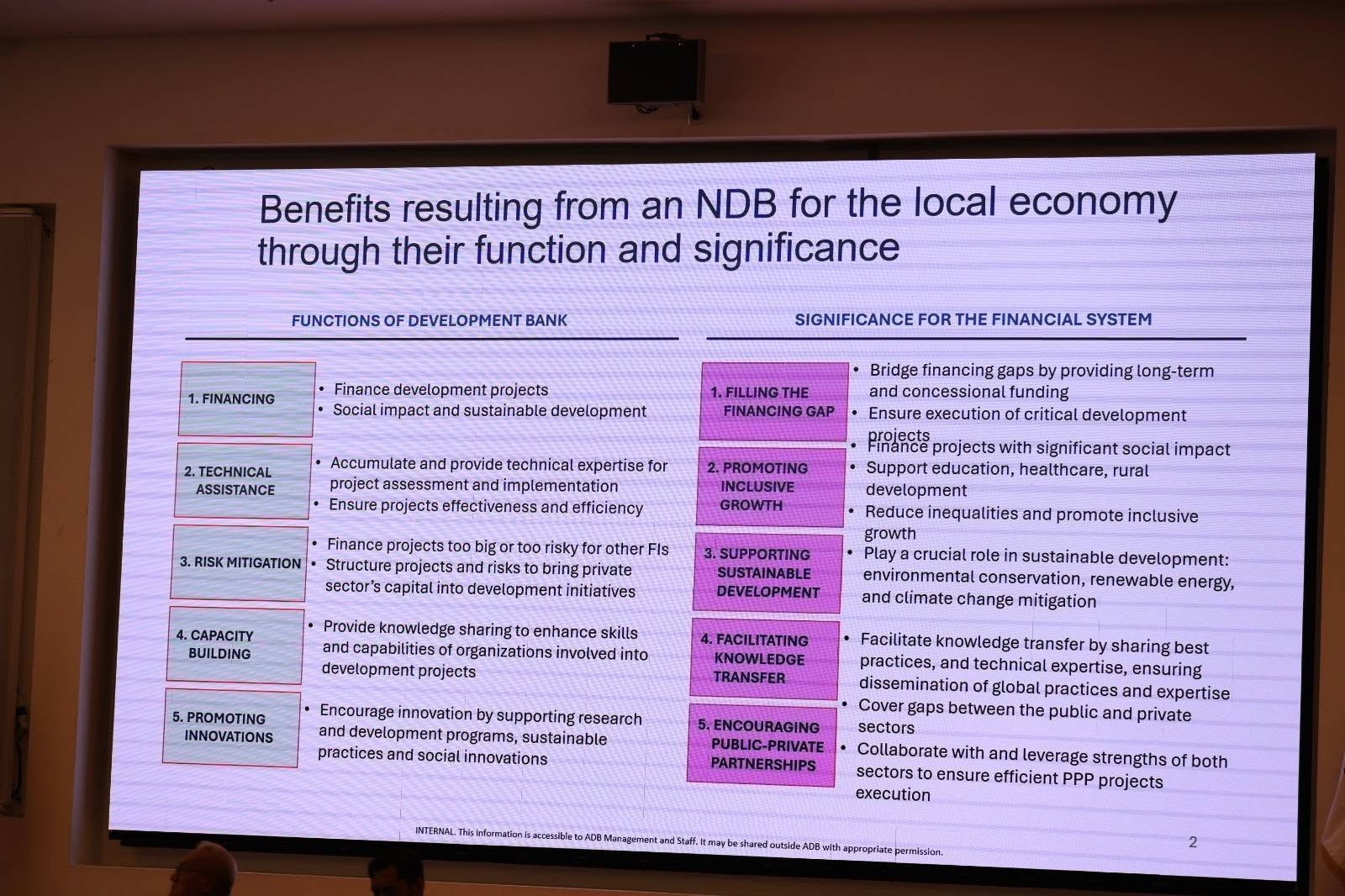
According to Kalbuadi Lay, the benefit of creating BNDTL is that all people can access the capital that exists.
“This bank is created so that everyone can have access to credit, and can also help projects that are carried out sustainably, and also help create a new source of revenue for the State,” he said.
He also clarified the nature of BNDTL: it is a credit-only financial institution and does not take deposits. The Banco Nacional de Comércio de Timor-Leste (BNCTL) is the commercial bank that can accept deposits. Timor-Leste currently has foreign commercial banks operating in the national territory, such as BRI (Indonesia), Caixa Geral de Depósitos (Portugal) and Mandiri (Indonesia). The Government’s aim in creating BNDTL is not to compete with these foreign banks, but to complement access to credit for domestic businesses.
Prime Minister Kay Rala Xanana Gusmão previously explained that BNDTL seeks to support transformative investment in agriculture, tourism, industry and housing. At the same seminar, he said that Timor-Leste needs “a financial system that works for Timorese”. The proposed 2026 General State Budget also says BNDTL is expected to provide affordable credit and guarantees for priority sectors, and that “BNDTL operates efficiently without depending on State subsidies”.
In April 2026, the Government released a market sounding and invitation to submit expressions of interest for positions in the bank’s structure. According to the document, four independent directors and three members representing the Government will make up the board. An Interministerial Committee led by the Deputy Prime Minister and Coordinating Minister for Economic Affairs and the Minister of Finance is overseeing the process.
The idea of creating a development bank in Timor-Leste goes back a long way. The formal process began with the Resolution on the Plan for the Establishment of the National Development Bank, which the Council of Ministers approved at an extraordinary meeting on 11 May 2010, and which set out the general structure of the future institution. In 2011, the Council of Ministers approved the Action Plan for the creation of the National Investment and Development Bank. The Program of the Fourth Constitutional Government described the bank as a financial instrument “with majority public capital”.
During the Fourth Constitutional Government’s mandate, the initiative’s objective was to strengthen the private sector. The Government Program stressed that the private sector is an essential partner in national development “because it creates wealth and jobs outside the activities and structures of the State.” The program also said that “an important component is to establish a bank that can create a credit line that encourages and stimulates national entrepreneurs to fulfil their role as partners in the Government’s development.” However, the bank was not established at that time, and it was only in 2025 that its creation materialised.
By comparison, BNCTL was established with share capital of US$5 million, owned by the State. BNDTL’s capital, US$30 million, is six times larger.
The Council of Ministers’ communiqué does not explain when BNDTL will submit its application for authorisation to BCTL, or when the bank will begin lending. It also does not say whether the full US$30 million will be paid in during 2026, or whether “paying-in” refers only to the expenditure authorised until December. Nor does it say who will lead the bank, or whether its directors have already been chosen.