


Timor-Leste’s president says Australia has no standing to fret about Chinese money after its own energy giant walked away. Analysts warn that going it alone is “exceptionally risky.”
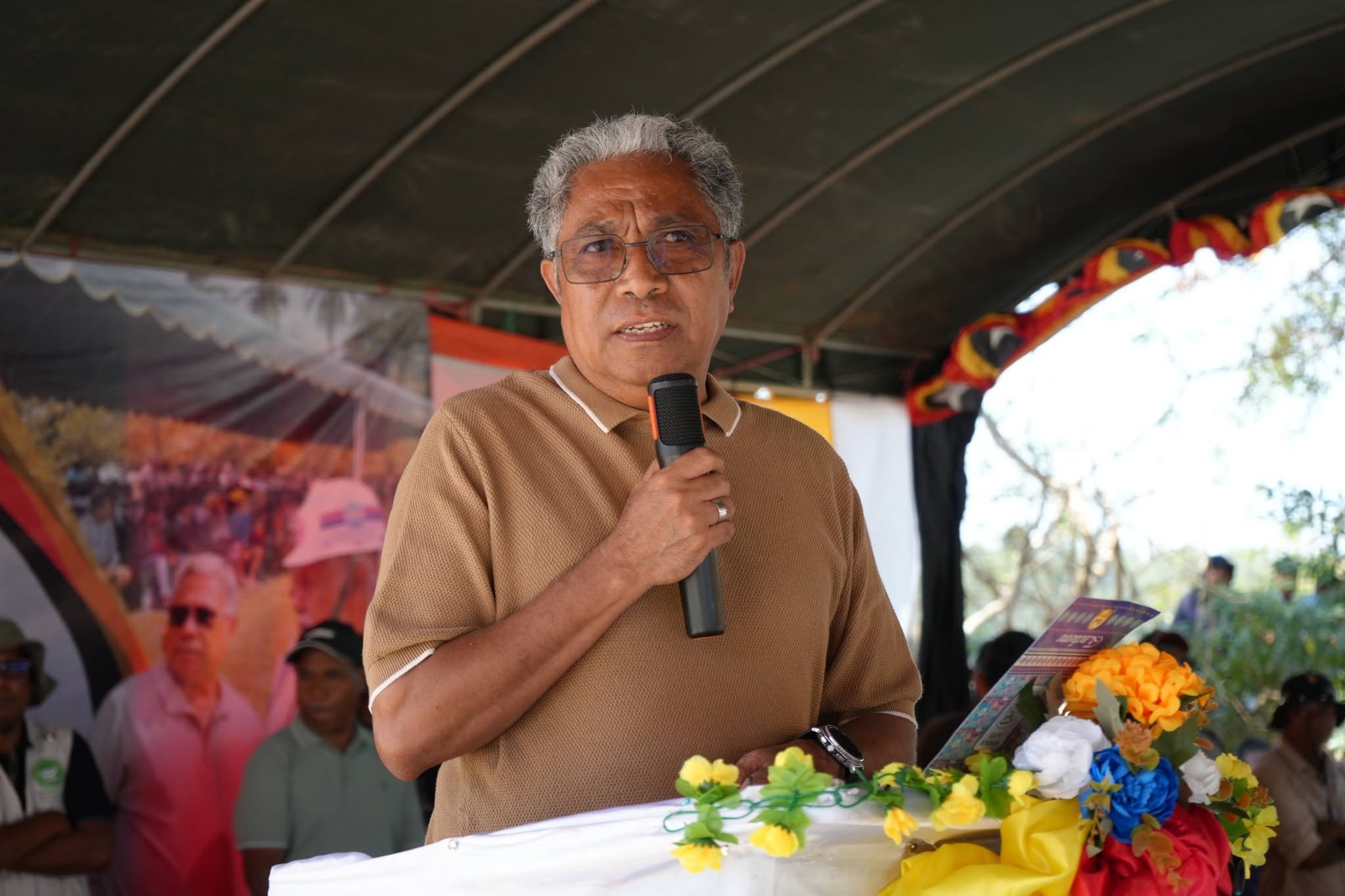
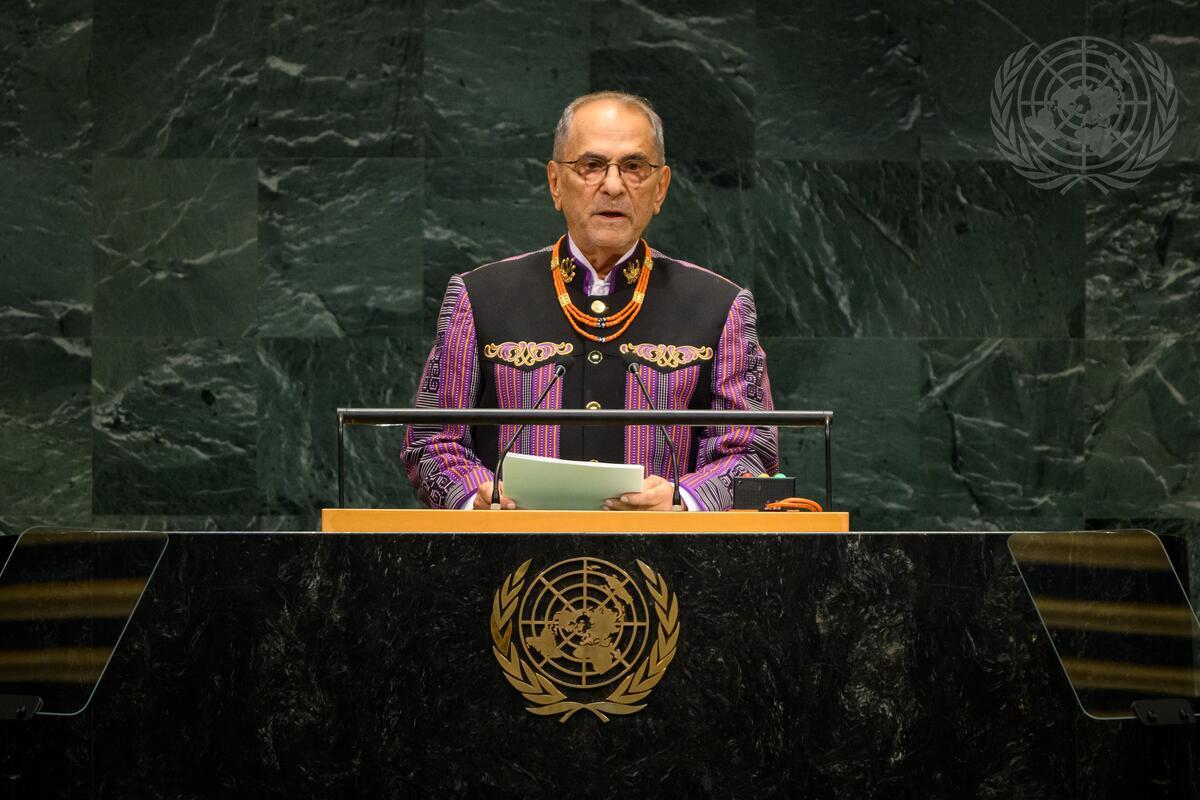
AMBENO (TOP) - President José Ramos-Horta has accused Australia of hypocrisy over its anxiety about Chinese investment in Timor-Leste. He spoke after Woodside Energy agreed to sell its stake in the Greater Sunrise gas project to state-owned TIMOR GAP, a deal that would hand Dili full control of the long-stalled development.
Ramos-Horta rejected the argument that Chinese funding would pose a security threat. He pointed to the scale of Chinese investment inside Australia, including the long-term lease of the Port of Darwin and investments in Queensland. In his view, Canberra raises the alarm over comparatively small Chinese interests in Timor-Leste while tolerating far larger ones at home.
The argument is not new. In 2019 he dismissed Australian concerns about Beijing’s influence by asking: “How about Chinese influence all over Australia?”
The deal
On Tuesday, 27 October, Woodside announced it had agreed to sell its entire 33.44 per cent interest in the Sunrise joint venture to TIMOR GAP for up to US$200 million (about AU$284 million). Australian media have reported the price as up to $285 million, the Australian-dollar equivalent of the same headline figure.
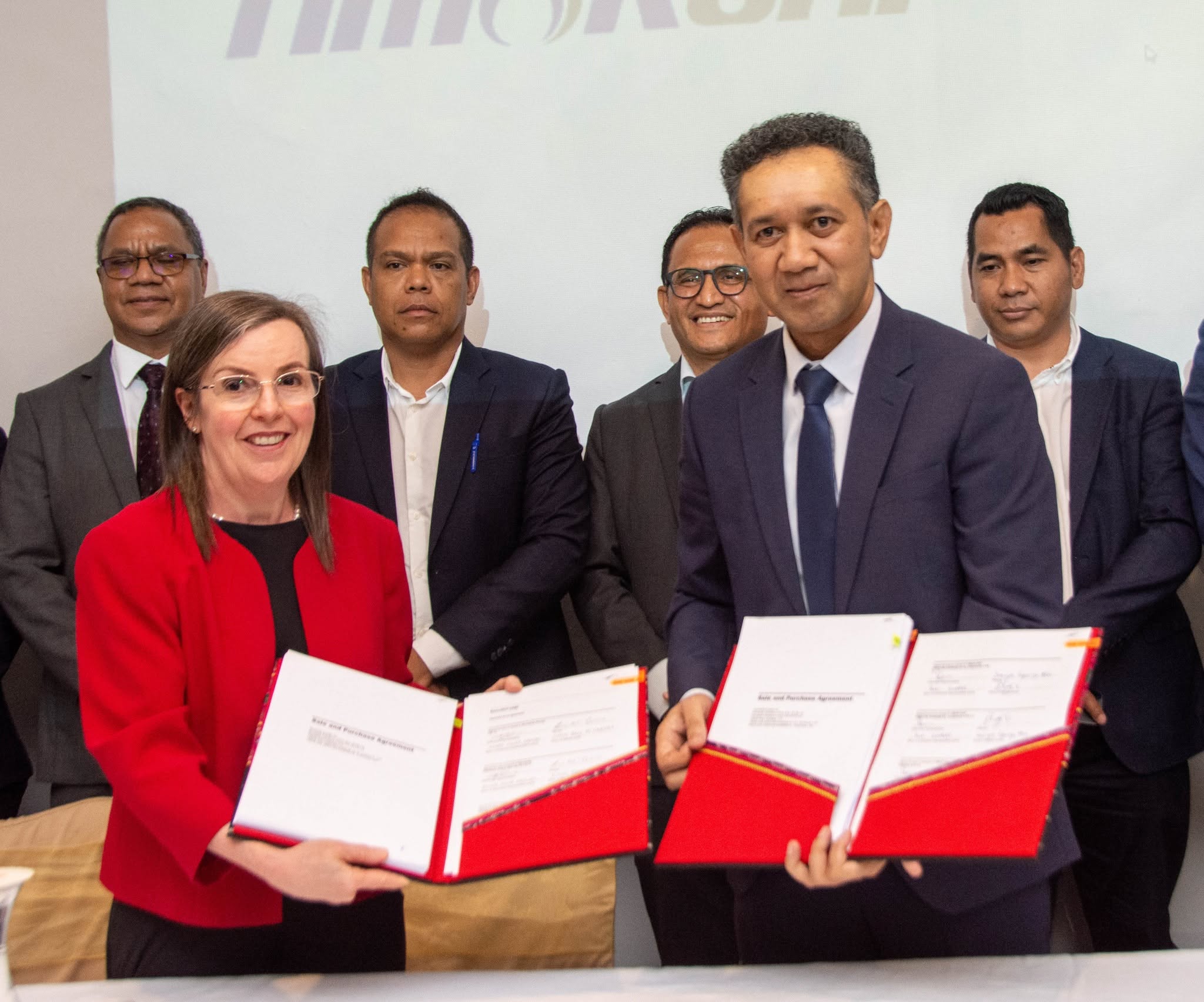
Most of the money depends on the project being built. TIMOR GAP will pay US$13.71 million on completion, a further US$11.29 million after a final investment decision, and US$175 million within 365 days of the first commercial LNG shipment. Woodside expects the sale to close in the first half of 2027, subject to government, regulatory and joint venture approvals.
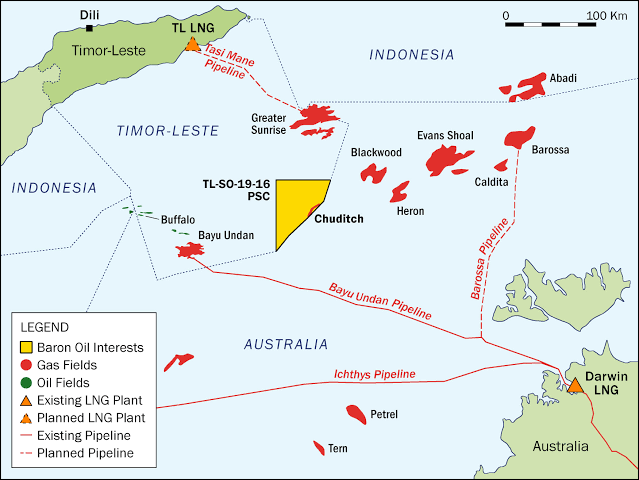
TIMOR GAP already holds 56.56 per cent of the venture. In September it signed an agreement to buy the remaining 10 per cent from Osaka Gas. If both transactions complete, Timor-Leste will own Greater Sunrise outright. TIMOR GAP plans a development concept built around a pipeline to Natarbora on the southern coast.
An awkward timing
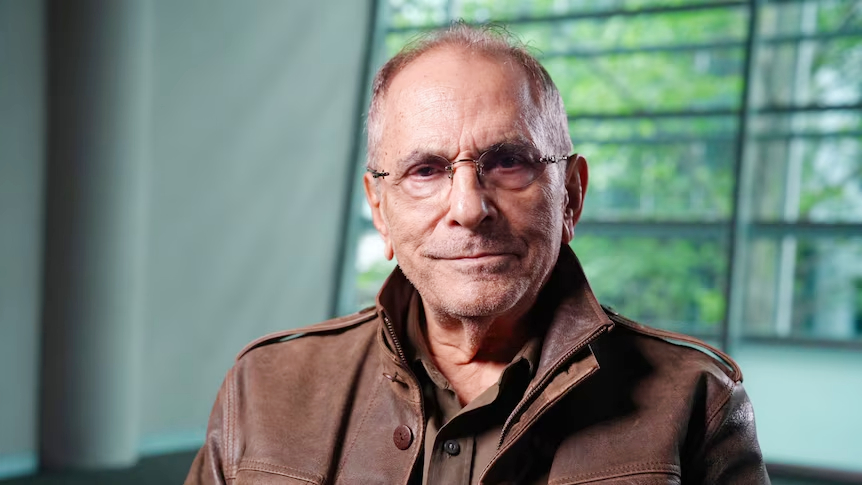
The announcement came ten days after Ramos-Horta told the ABC that Timor-Leste was close to signing the first legal and administrative agreements with Woodside and the Australian government. Those agreements would allow the gas to be piped to Timor-Leste.
For more than two decades the project has been stuck on one question: where to process the gas. Timor-Leste has insisted on an LNG plant on its own south coast. Woodside and its former partners preferred floating LNG or a pipeline to Darwin, arguing that onshore processing in Timor-Leste was commercially unviable. A maritime border dispute with Australia, which included an Australian spying controversy, was settled in 2018. The development impasse remained.
Dili has long hinted at Chinese partners as a way to pressure Canberra. Ramos-Horta has repeatedly said Timor-Leste would look to Chinese or other investors if its Australian partners did not back the south-coast plan. In February 2025, however, he told Reuters that Timor-Leste would prefer to work with Australia, Woodside and Osaka Gas, and that it had been stalling approaches from Sinopec and Kuwaiti companies.
Woodside and Canberra respond
Woodside has presented the sale as portfolio housekeeping. The company has been shedding other non-core assets, including its position in Trinidad and Tobago’s Calypso project, and is pivoting towards the United States. Chief executive Liz Westcott said Greater Sunrise had been an important part of Woodside’s portfolio for many years. She added that the project had the potential to deliver long-term economic and energy security benefits for Timor-Leste and the region. She also signalled that the company is more focused on less complex and less uncertain gas developments.
Australia’s Department of Foreign Affairs and Trade called the sale a “commercial decision” by Woodside. A spokesperson said Canberra “remains committed to working with Timor-Leste and commercial partners to develop Greater Sunrise consistent with our Maritime Boundary Treaty.”
TIMOR GAP chief executive Rui Soares struck a confident tone. He said the company was “in a stronger position than ever” to speed up development. He said the project could turn the south coast into an industrial and energy hub, building skills, creating jobs for Timorese citizens and supporting local businesses. He also acknowledged that full ownership carried “significant responsibility.”
Analysts split on China
The sale has reopened the debate in Australia over who might step in. Rick Wilkinson, head of consultancy EnergyQuest and a former chairman of Santos, said a Chinese bidder was now more likely. Chinese firms, he said, could be drawn by the gas as well as the geopolitical influence.
He noted that state-owned Sinopec and CNOOC already hold major stakes in two of Queensland’s three LNG projects. “It’ll be challenging, but here is a chance for the Chinese to step forward,” he said. He added that Malaysia’s PETRONAS or Indonesia, which is starting to run short of its own gas, might also be options.

Saul Kavonic of MST Financial took a harsher view. A Chinese built Sunrise would be “a disaster,” he said, “both geo politically for Australia and Japan, but even more so for Timor.” He argued that Timor-Leste risked being bankrupted without getting a working project.
Kavonic said the onshore pipeline plan had been driven by “resource nationalism” and by the “politics and personalities of very influential people in Timor.” He said no oil and gas company in the world treated it as a priority and that it would be “exceptionally risky” for the country to gamble “the entire national economy” on a single LNG project with no proven operator.
TIMOR GAP, a state-owned enterprise, has no major gas project operating experience. Woodside had been due to operate Greater Sunrise, with TIMOR GAP providing financial support.
Wilkinson called Woodside’s exit unsurprising. The combined Sunrise fields hold roughly five trillion cubic feet of gas, he said, which is not huge by global standards. “(Timor-Leste) better have a backup,” he said. “Let’s see if they announce something in the next six months.”
What it means for Oe-Cusse Ambeno
The sale also raises a question Oe-Cusse Ambeno knows well: what happens when a small state stakes its development on one very large, state-led infrastructure bet?
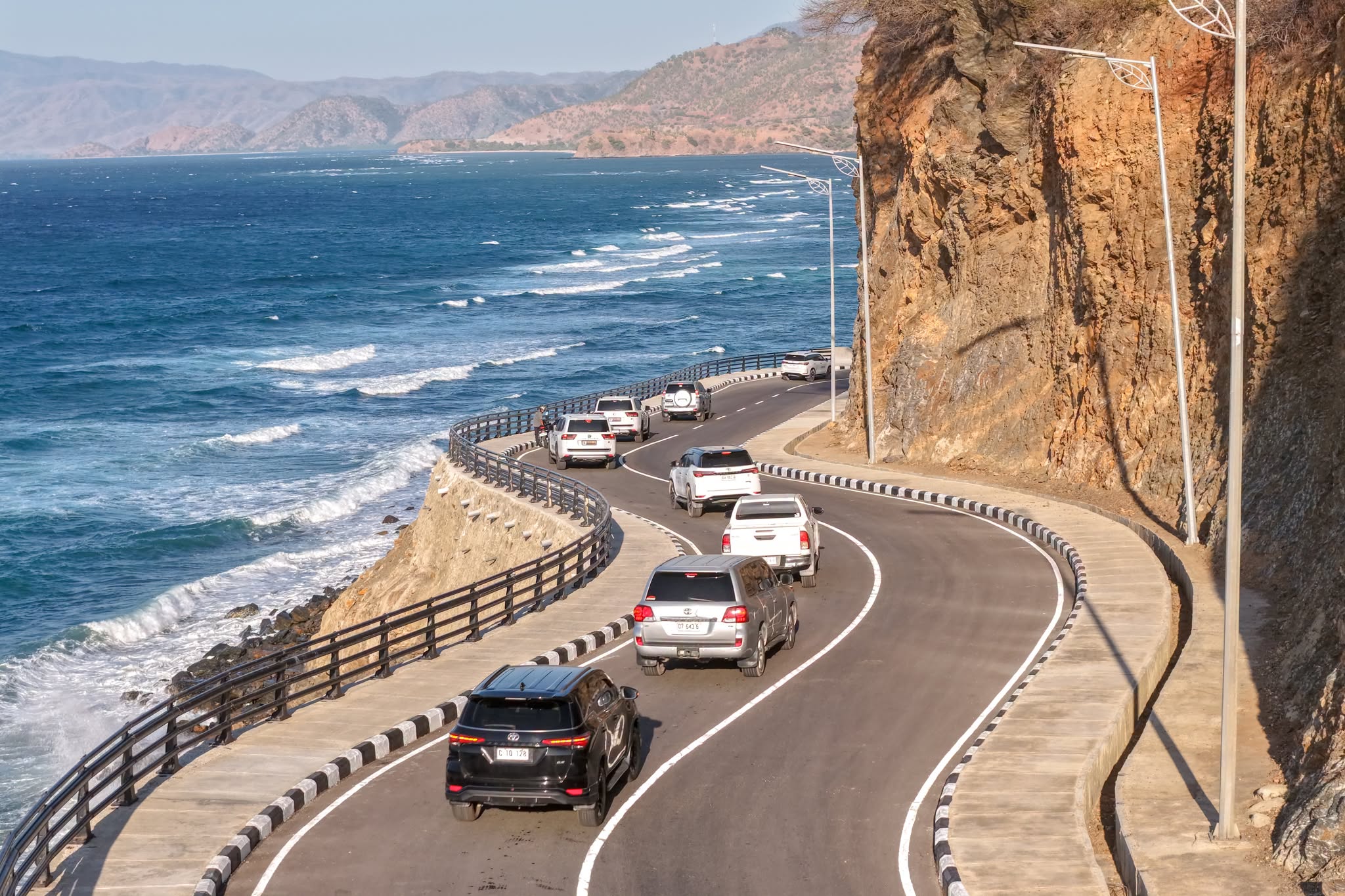
The government has already spent $670 million on a south-coast freeway and international airport in anticipation of Greater Sunrise’s gas. The highway, which opened in 2017, is now riddled with potholes and the airport is barely used, according to the ABC. Full ownership means the state now carries the commercial and technical risk itself.
The parallel with the enclave is direct. The ZEESM project was also built on the promise that large, front-loaded public investment would draw private capital and local jobs. Whether that promise has been kept is a question of governance and delivery, and The Oekusi Post has been asking it for years.
The enclave’s day to-day finances show what is at stake. According to the Transparency Portal, RAEOA’s 2026 budget execution stood at 51.0 per cent as of 2 October, with the Special Development Fund (FED) at 51.6 per cent. More than 1,000 contracted and casual staff in the Region have reportedly gone unpaid since September.
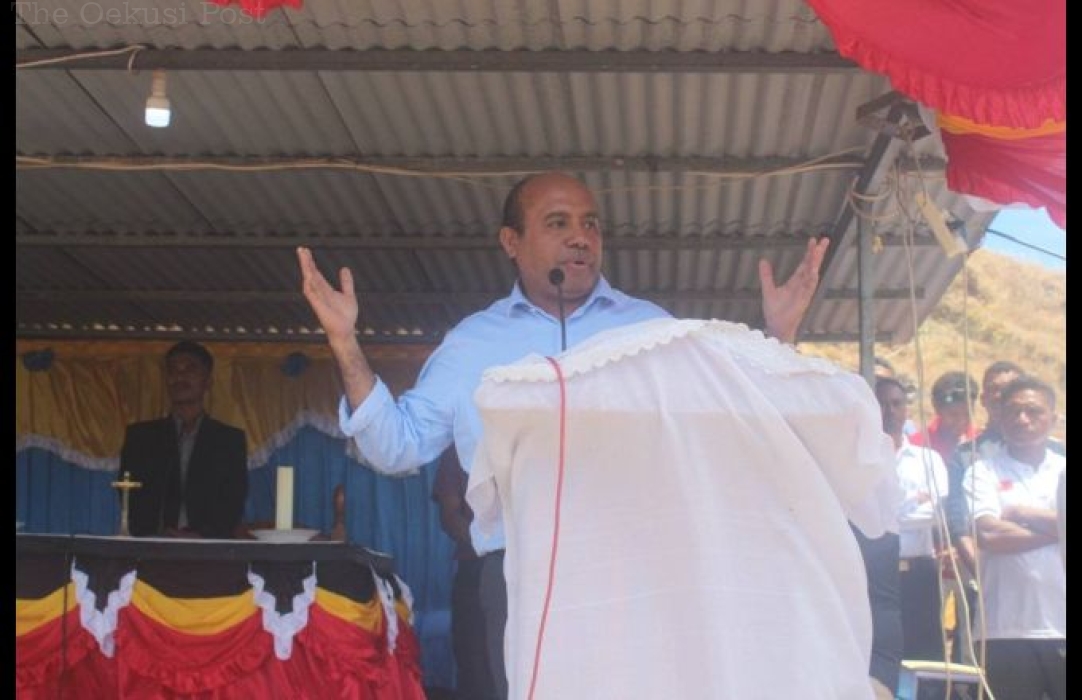
That is the kind of ground-level reality that gets lost when the national conversation turns to billion-dollar gas projects. Residents of Oe-Cusse Ambeno have their own question for their government: how much of the national budget and risk appetite goes to flagship projects, and how much to making sure public wages and services are paid on time?
Ramos-Horta’s critique of Australian hypocrisy also cuts closer to home. If outside powers should not judge Timor-Leste’s choice of partners, Timorese citizens are entitled to ask the same transparency questions about those choices: who finances the project, on what terms, and who benefits.
What comes next
Neither side has said who will operate the project or finance the pipeline and LNG plant. The Lowy Institute has raised the open question of whether Australia will keep working with Timor-Leste to make the project viable, and how it will respond if Dili seeks other partners. Greater Sunrise holds an estimated 5.1 trillion cubic feet of gas and 226 million barrels of condensate.