


After 52 years of waiting, Greater Sunrise now belongs to Timor-Leste. TIMOR GAP signs agreement to buy Woodside’s 33.44%, but the 2018 Treaty will still set the path for developing the field with Timor-Leste and Australia together.
DILI (TOP) - Timor-Leste is about to hold 100% of the participating interest in the Greater Sunrise gas field, but that does not mean the nation will make decisions alone on how and when the field is developed.
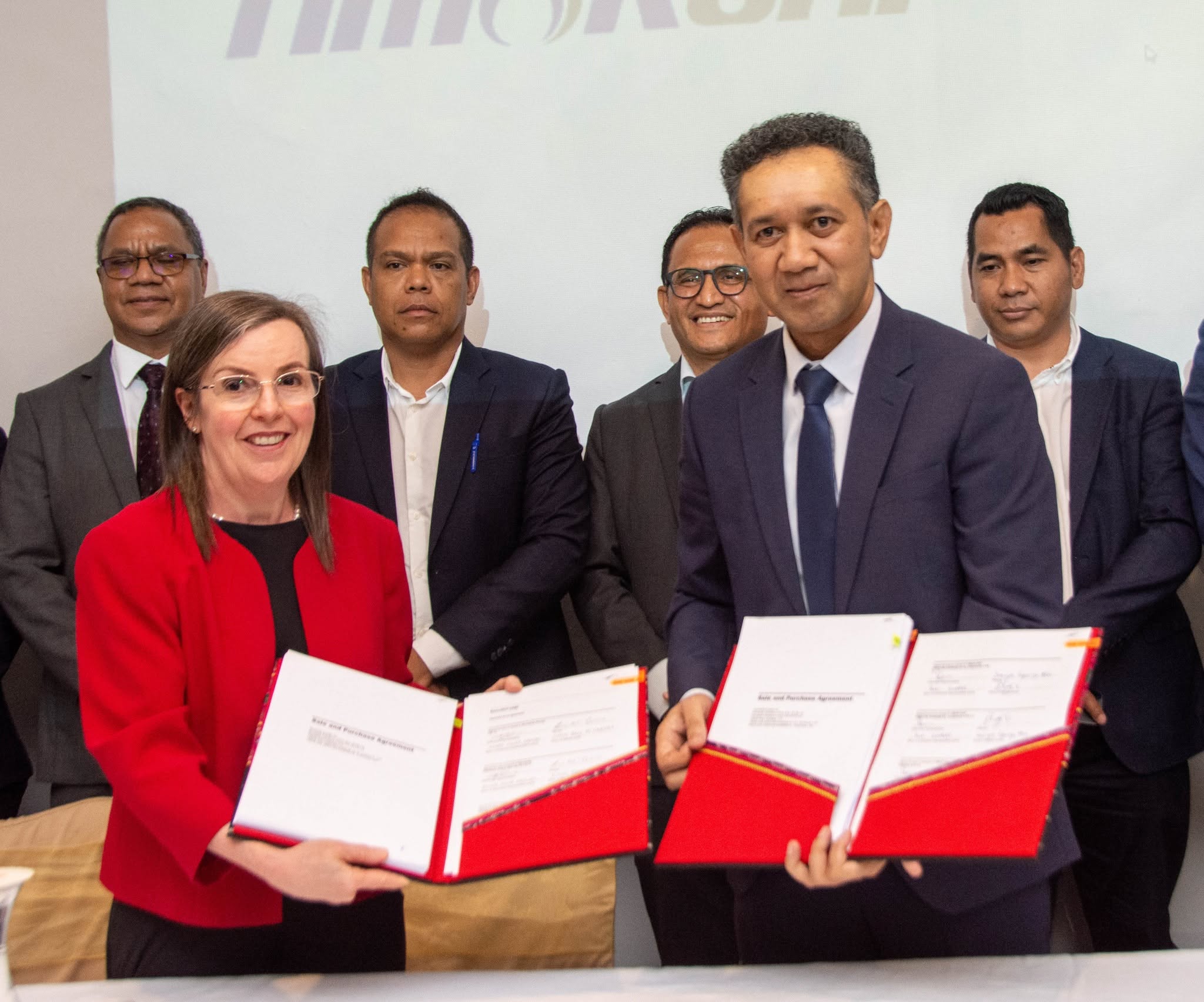
TIMOR GAP, Timor Gás & Petróleo, E.P., signed a Sale and Purchase Agreement (SPA) with Woodside Energy Ltd on 27 October 2026 to buy the entirety of the Australian company’s interest in the Greater Sunrise field in the Timor Sea. Once the transaction is completed and the necessary approvals are obtained, the national petroleum company will hold a 100% interest in the project.
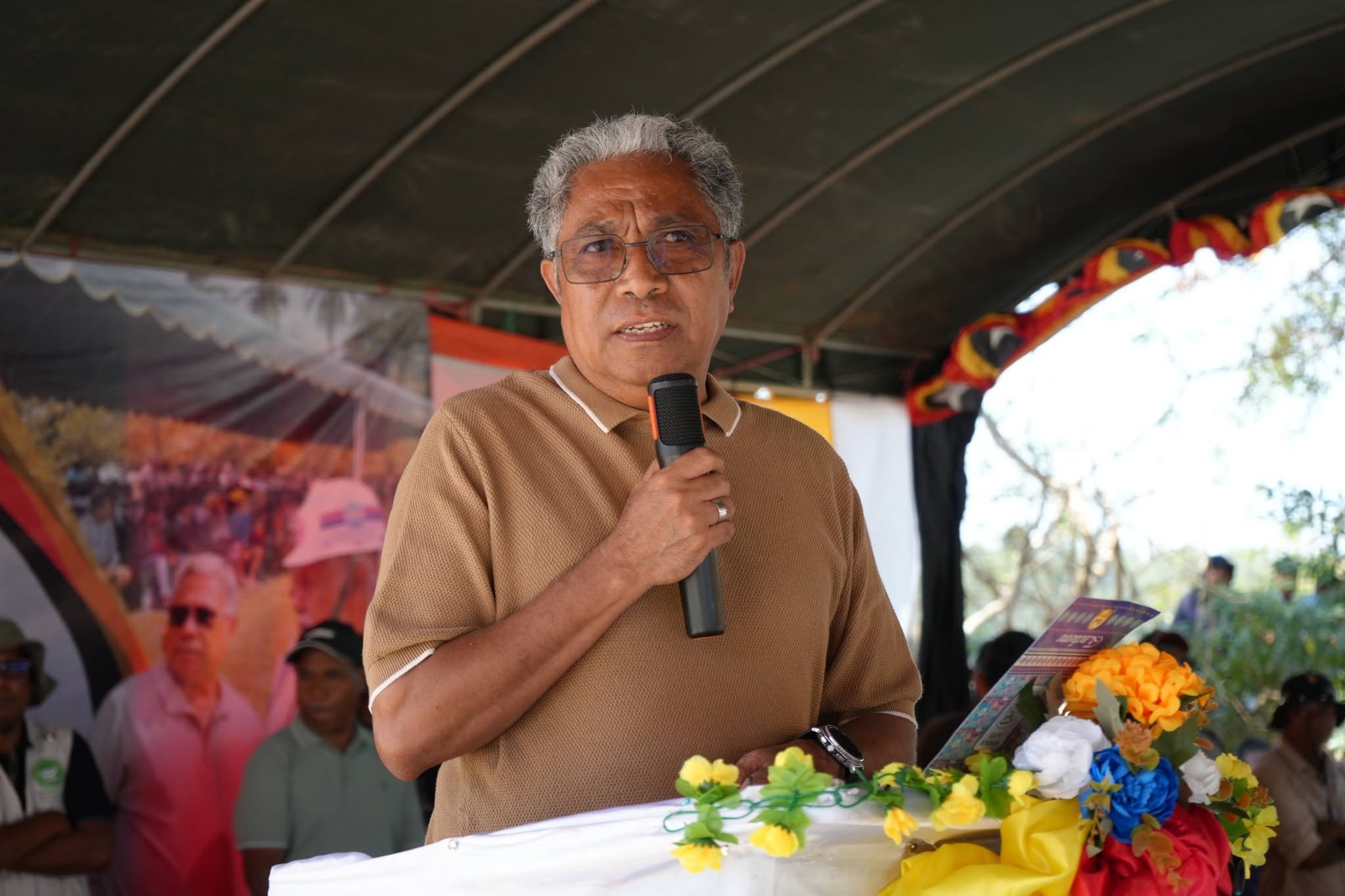
However, the Secretary-General of the opposition FRETILIN party, Mari Bim Amude Alkatiri, warned that “100% ownership means 100% responsibility,” but does not mean that Timor-Leste alone makes the decisions. He argued that the Greater Sunrise Special Regime in the 2018 Maritime Boundary Treaty will set the path for development decisions.
What the agreement covers
The agreement includes Woodside’s interest in retention licences NT/RL2 and NT/RL4, and in Production Sharing Contracts (PSCs) JPDA 03-19 and JPDA 03-20. Completion of the transaction depends on the necessary governmental and regulatory approvals, and on conditions precedent set out in the agreement.
The total value is US$200 million, with payments tied to different phases of the project. The first payment, US$13.71 million, will be paid when the transaction is completed. The second payment, US$11.29 million, will be paid within 30 days after the Final Investment Decision (FID). The remaining US$175 million will be paid within 365 days after loading begins on the first cargo of liquefied natural gas (LNG) destined for sale to a customer.
The new agreement follows the announcement in September of a binding agreement between TIMOR GAP and Osaka Gas Australia Pty Ltd to purchase that company’s 10% interest in Greater Sunrise.
Before these transactions, the project’s structure was TIMOR GAP 56.56%, Woodside Energy 33.44%, and Osaka Gas Australia 10%.
Julie Fallon, Woodside’s Vice President of Technical and Energy Development, acknowledged the importance of the field to Timor-Leste, for economic development and long-term energy security.
She said Woodside will work with Timor-Leste, Australia, the joint venture companies and stakeholders on the development of the field.
TIMOR GAP: “stronger position than ever”
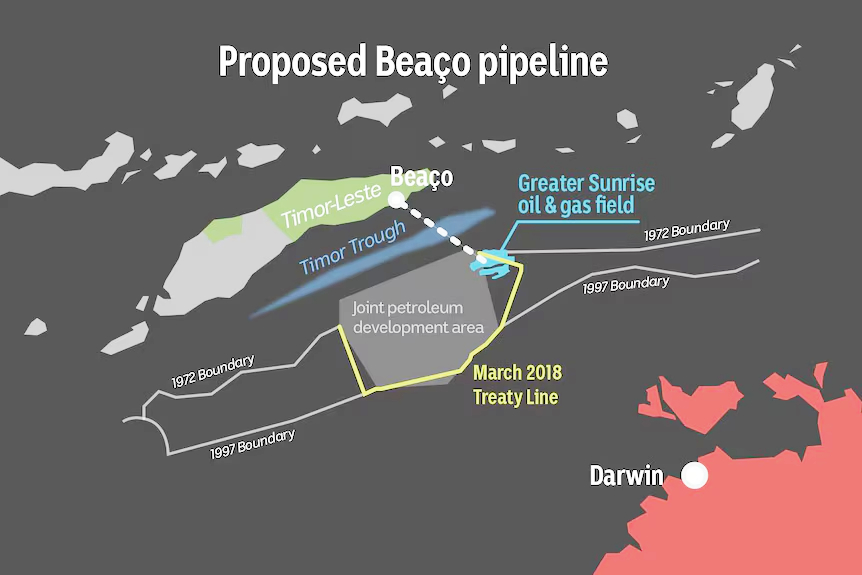
The consolidation of the interest strengthens TIMOR GAP’s position in the development process for the Sunrise and Troubadour fields, and in work on the Timor LNG concept, which envisages transporting the gas for processing on Timor-Leste’s south coast.
TIMOR GAP President and Chief Executive Officer Rui Soares said the company is now in a stronger position than ever to accelerate the development of Greater Sunrise and move forward with selecting the Timor LNG development concept.
He said this brings Timor-Leste closer to realising the country’s long-held aspiration to develop Greater Sunrise on the south coast.
He also said Greater Sunrise represents much more than the development of natural gas resources, as it is an opportunity for industrial and energy development on the south coast, skills training, job creation, local business development and economic activity.
Minister of Petroleum and Mineral Resources Francisco da Costa Monteiro described the acquisition as a historic moment for Timor-Leste, after the discovery of Greater Sunrise in 1974. The Government believes this decision will accelerate the policy of bringing the pipeline to Timor-Leste and develop the Tasi Mane industrialisation project with the state-owned company TIMOR GAP, E.P.
Technical, legal and regulatory work
The transaction comes at an advanced stage of the technical, legal and regulatory work needed for the development of Greater Sunrise.
In September, Timor-Leste and Australia reached agreement at the technical level on three main instruments of the project’s future framework: the Petroleum Mining Code, the Production Sharing Contract and the Fiscal Regime. These instruments will now go through their respective approval processes.
At the same time, the Government continues technical work on the development option in Timor-Leste. In September, the Ministry of Petroleum and Mineral Resources signed contracts for geotechnical investigations and other surveys along the planned routes of the Greater Sunrise and Bayu-Undan pipelines to Natarbora, to support route definition and future infrastructure development.
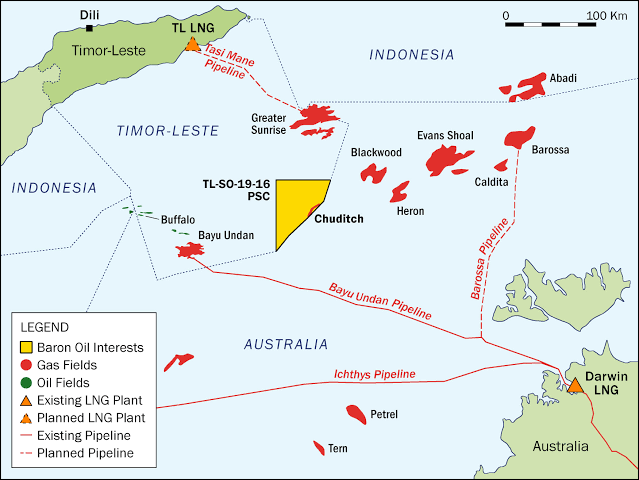
The Sunrise and Troubadour fields, collectively known as Greater Sunrise, are located about 150 kilometres southeast of Timor-Leste and 450 kilometres northwest of Darwin, in Australia’s Northern Territory.
PM Xanana: the priority is to keep working
The information on this progress was presented to Prime Minister Kay Rala Xanana Gusmão during his visit to the TIMOR GAP, E.P. building at Timor Plaza, Dili. During the visit, he met with Minister Francisco da Costa Monteiro and the TIMOR GAP team to hear about progress in the petroleum sector.
PM Xanana confirmed that Woodside decided to sell its interest to Timor-Leste, and stressed that the priority now is to continue working with dedication to develop the Greater Sunrise project.
“In one decision, the company Woodside sold its shares to us. Now, we are not happy because we bought, we are not sad because they sold, but we trust the people who work. I am not saying they are clever, but they are dedicated. They will work on how to develop Greater Sunrise,” said PM Xanana at the meeting.
Alkatiri: “100% does not mean Timor-Leste alone decides”
FRETILIN welcomed the announcement with joy. Alkatiri said the acquisition puts Timor-Leste in a stronger position on the development of the field, and is consistent with the demand he himself made as Prime Minister that, as a matter of justice, the pipeline for Greater Sunrise must come to Timor-Leste, because the Bayu-Undan pipeline had already gone to Australia.
He said that once this agreement is finalised, together with the agreement to buy Osaka Gas Australia’s 10% interest, TIMOR GAP will hold a 100% interest in the project. “But this does not mean that Timor-Leste alone now makes the decisions on the development of the Greater Sunrise field,” he explained.
What does the 2018 Treaty say?
This point relates to the structure established by the 2018 Maritime Boundary Treaty. The Treaty recognises the sovereign rights that Australia and Timor-Leste share over the Greater Sunrise resource, and establishes the Greater Sunrise Special Regime for joint development, exploitation and management, and revenue sharing. The regime applies to the gas fields until the resource is commercially depleted.
The regime’s structure has two tiers. Australia and Timor-Leste established a Designated Authority and a Governance Board to oversee Greater Sunrise. The Designated Authority is Timor-Leste’s National Authority for Petroleum and Minerals (ANPM). This authority is responsible for day-to-day regulation and management, but some important matters, such as signing the production sharing contract, require approval from the Governance Board.
For development itself, petroleum production from the fields follows a Development Plan based on a Development Concept approved by the two governments. This shows that approval of the development plan does not depend on TIMOR GAP alone, even though it will own 100% of the commercial interest. The technical agreement between Timor-Leste and Australia in September on the Mining Code, the Production Sharing Contract and the Fiscal Regime also shows that the project’s future framework continues to be developed jointly between the two countries.
FRETILIN: “the 2018 argument was right”
In 2018, FRETILIN members of the national parliament voted against including this provision in the maritime boundary treaty. They argued that commercial interests such as resource sharing and their development should be handled in a separate agreement, because including commercial matters in a maritime boundary treaty did not serve Timor-Leste’s greater interests well.
“We see now how FRETILIN’s argument was truly right, because even though TIMOR GAP alone holds a 100% interest in Greater Sunrise, it alone does not hold the power to make decisions on the development of this field,” Alkatiri explained further.
Fiscal warning: “blessing or curse”
Alkatiri also recalled that Timor-Leste was able to finance its development thanks to the Petroleum Fund, which was established by the government led by FRETILIN. However, he warned that the country has limited natural and financial resources, and must use them responsibly.
“Because there has been no attention to sustainable economic development over the last two decades, despite sufficient financial resources and a peaceful environment, Timor-Leste is now facing a real danger of falling into a ‘fiscal cliff’,” he warned.
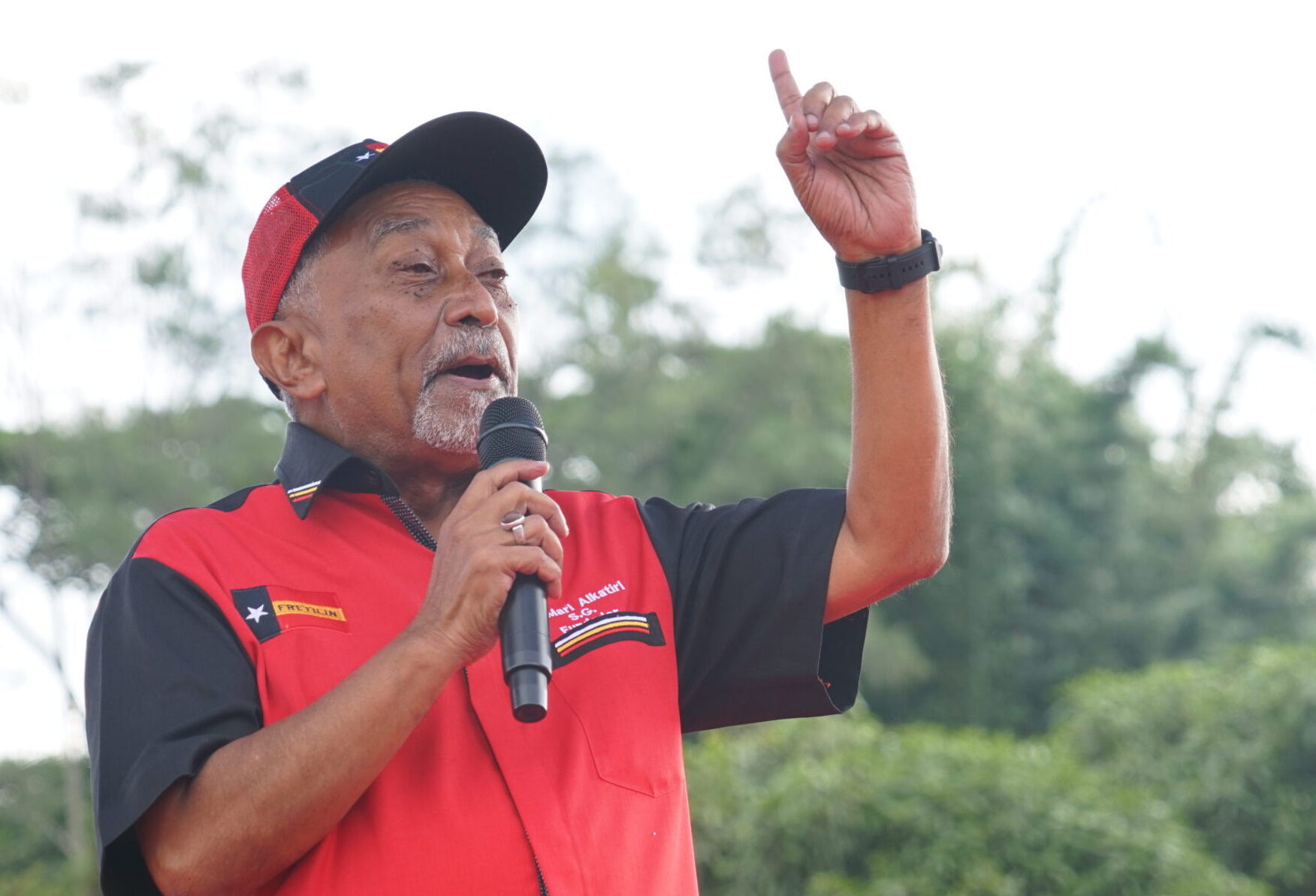
“100% participation means 100% responsibility, which also includes financing the development of this field. But it is imperative for the government to use financial resources very wisely to prevent Greater Sunrise from becoming a burden and a curse. Greater Sunrise must become a blessing for Timor-Leste!” Alkatiri concluded.
FRETILIN believes now is a good time for the government to involve all entities to ensure that Greater Sunrise becomes an important base for economic diversification, to bring sustainable development, and not merely become an electoral object.
Context: a field discovered before the RDTL was born
Greater Sunrise is the collective name for two gas and condensate fields, Sunrise and Troubadour. The Troubadour No. 1 well was drilled in June 1974 and found 83 metres of hydrocarbons. Appraisal of the resource was delayed until the Loxton Shoals-1 well was drilled in August 1995, and the field remains undeveloped to this day, mainly because of the lack of agreement on the development plan and the location for processing the gas.