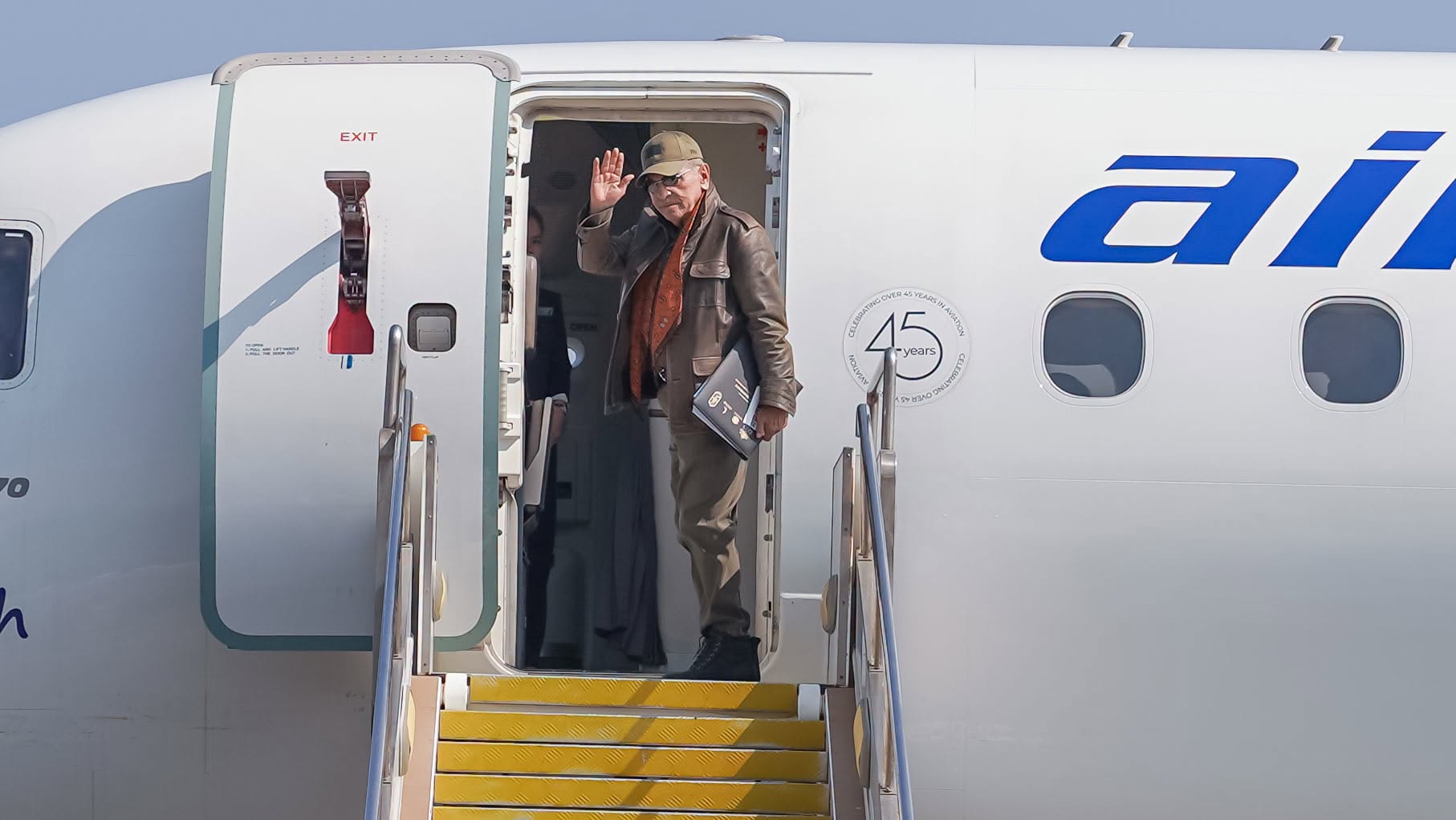



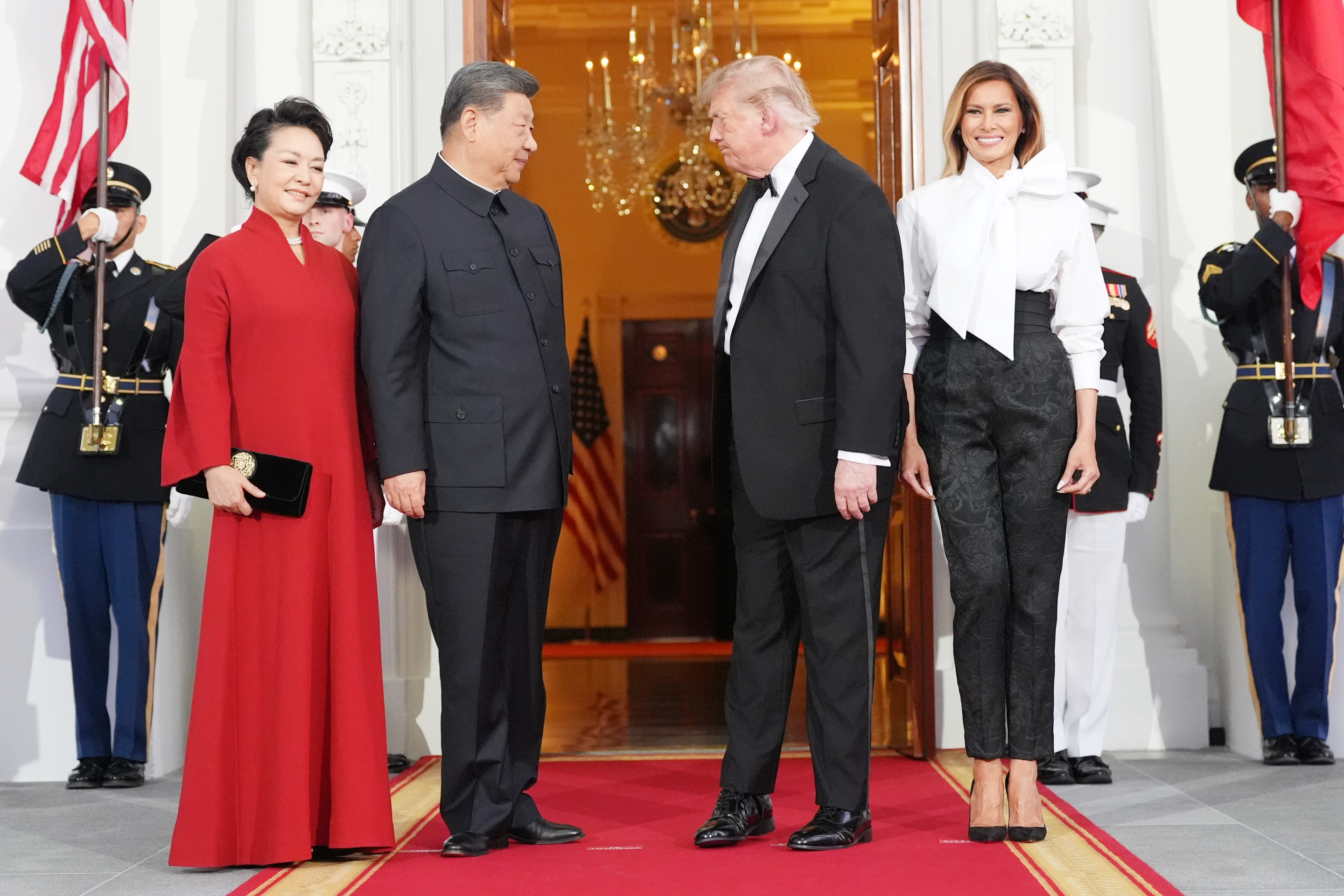
NEW YORK (TOP) - There was no shortage of noise this week in Washington. A B-2 bomber cut across the sky over the White House lawn. Hundreds of military personnel stood in formation for a ceremony built for television. By evening, the room was full of the loudest names in American tech Musk, Cook, Bezos, Altman, Huang all seated for a state dinner thrown in Xi Jinping's honor, his first visit to the US capital in over a decade. Trump had even gone to the airport himself to greet him, a gesture presidents rarely bother with anymore.
- During Xi Jinping's three-day visit to Washington, which included a B-2 flyover and a state dinner with top tech CEOs, the most notable thing was what went unsaid. Xi raised Taiwan in the talks, and Xinhua reported he urged Trump to oppose Taiwanese independence, but the White House issued no readout of its own on the topic. Meanwhile, the trade truce extension (to January 10), AI cooperation, and fentanyl all got formal announcements.
- The silence could mean a quiet pushback, extra reassurance to Xi, or a tacit agreement to keep the topic private, and argues none of these is reassuring. The piece contrasts Washington's luxury of ambiguity with small states like Timor-Leste, whose president, José Ramos-Horta, has stated plainly that Taiwan is part of China. The conclusion, the real news of the visit was the silence itself.
And yet the most important thing that happened during Xi's three days in Washington may be the thing nobody said anything about at all.
Somewhere inside those three hours of White House talks, Xi raised Taiwan. Chinese state media didn't wait long to tell the world about it Xinhua reported that Xi urged Trump to oppose Taiwanese independence and to handle the issue "prudently," language Beijing has used for years to signal where its red lines sit. It's the kind of line Xi has delivered to American presidents before, at other tables, in other rooms. What was different this time was what came back.
The White House released no summary of its own on what was actually said about Taiwan. Not a rebuttal, not a confirmation, not even a vague acknowledgment that the subject had come up. In a visit otherwise stage-managed down to the flyover, that silence stood out precisely because everything else had been so carefully narrated. When a government usually eager to tout its wins on the world stage goes quiet on one specific subject, the quiet itself becomes the story.
It's worth sitting with what that silence actually means. It could mean Trump pushed back hard enough that Washington doesn't want China's framing to stand unanswered, but didn't want to escalate publicly either. It could mean Trump gave Xi more reassurance than his own administration is comfortable admitting. It could simply mean Taiwan was one part of a long conversation that both sides agreed, tacitly, not to relitigate in public. Any of these readings is plausible, and none of them is reassuring. A relationship as consequential as the one between Washington and Beijing shouldn't have its most sensitive fault line handled through a communications vacuum.
Compare that silence to everything the two governments were happy to talk about. The trade truce extended two extra months, to January 10, timed by Treasury Secretary Scott Bessent to land the moment Xi's plane touched down got a formal announcement. The AI conversation got a soundbite, Xi telling Trump that the two countries "stand to gain from cooperation and will both lose in competition." Even the fentanyl pledge got aired. Everything had a script, a spokesperson, a line ready to be quoted. Taiwan didn't.
That's not really surprising, when you consider what each side had to gain from the parts of the visit that were loud. The truce extension bought both governments room to breathe before a harder deadline in November, when the current tariff suspension runs out, and another in January 2027, when new US defense-procurement rules will bar Chinese-sourced rare-earth materials from American military supply chains entirely.
Rare earths gave Xi leverage he could quietly hold in reserve reporting suggested Beijing had even offered to extend that particular truce all the way to 2029, an offer that stalled over mutual distrust rather than ever becoming real. AI cooperation cost nothing to promise and committed no one to anything specific. These were all safe things to talk about loudly, because talking about them loudly served both governments' interests.
Taiwan doesn't work that way. There's no version of a Taiwan statement that flatters both governments at once. Anything Washington says risks reading as concession to Beijing or provocation to it; anything Beijing says publicly demands an answer it may not get. So the two sides did what governments often do with the subject they can least afford to get wrong: they let it happen behind closed doors and let only one side describe it afterward, knowing the other wouldn't correct the record.
That posture say nothing and let ambiguity absorb the risk isn't available to everyone in this story. Small states asked to take a position on Taiwan rarely get to stay quiet the way Washington just did.
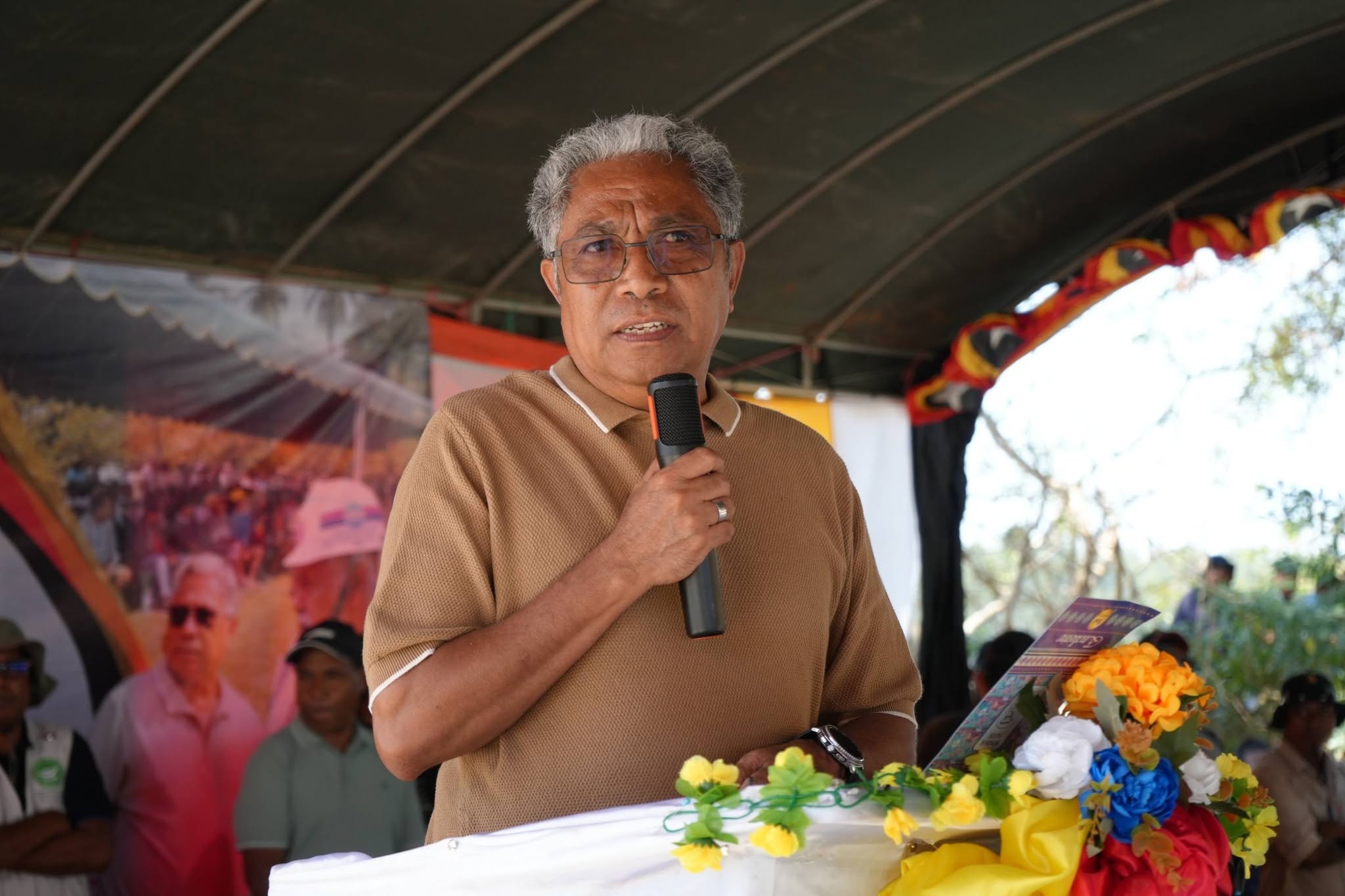
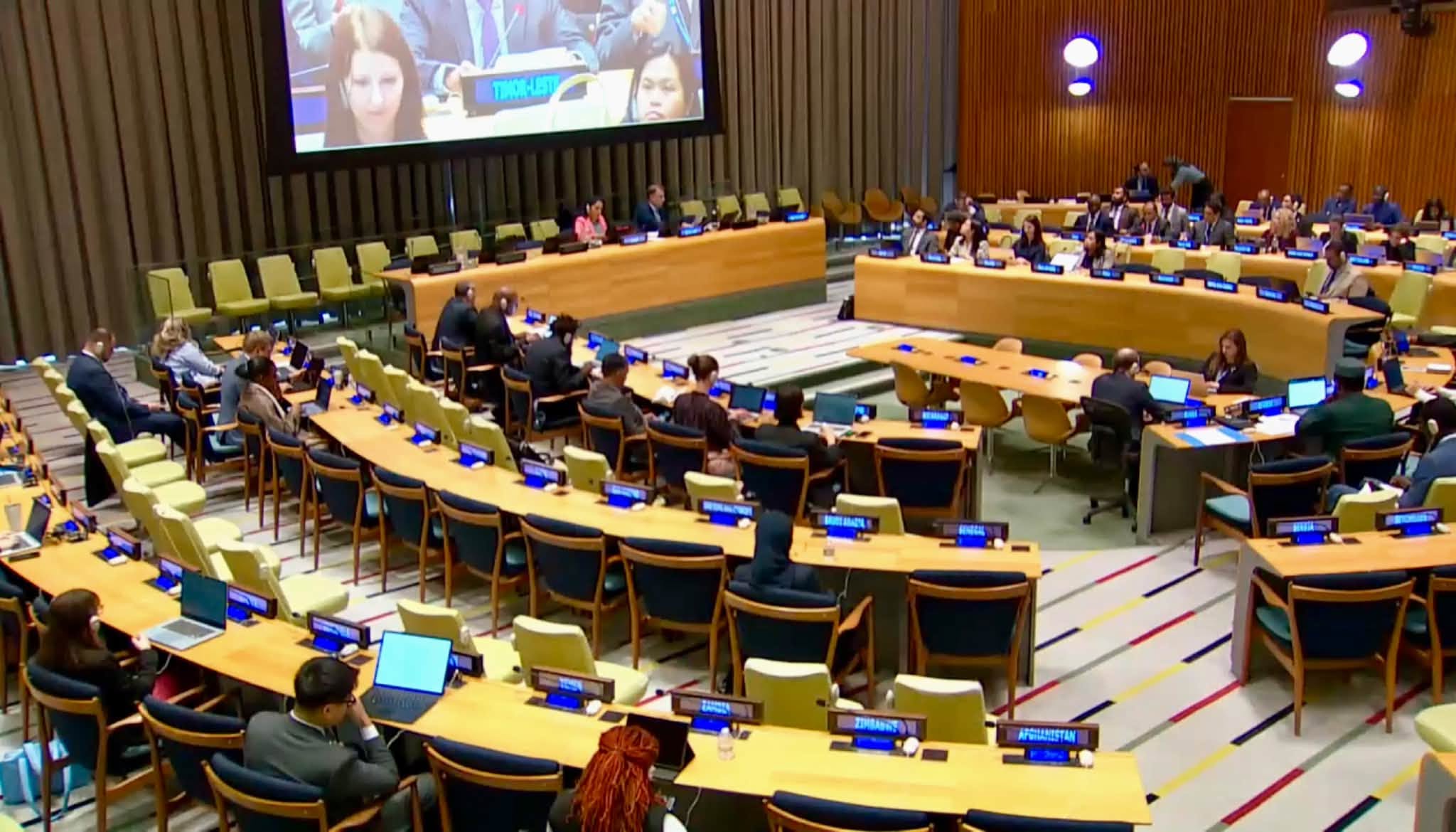
President José Ramos-Horta of Timor-Leste has made his own government's position plain, telling TIME in an interview earlier this year: "Taiwan is part of China as Hawaii is part of the United States." It's a comparison he has offered deliberately, not a slip, and it puts Dili's stated position about as far from Washington's studied silence as a government's position can get.
Timor-Leste's most recent joint statements with Beijing go further still, pledging Dili's "firm unequivocal adherence" to the one-China principle and support for "all the efforts of the Chinese government to realize national reunification" language that leaves no room for the kind of ambiguity Washington indulged in this week.
The contrast is instructive. A superpower can afford to let a sensitive question hang unanswered and trust that the world will spend days speculating about what it might mean. A small state courting Beijing's investment and diplomatic backing typically can't; its president has to say plainly, on the record, which side of that line his country stands on.
Ramos-Horta's remarks on Taiwan read less like reticence and more like a leader deciding, quite openly, to remove any doubt about where Dili sits the opposite instinct from the one that just governed Washington's own account of its talks with Xi.
It left outside observers to do the work the two governments in Washington wouldn't. The absence of an American readout became, itself, the evidence proof that nothing on Taiwan had actually been resolved, and that Washington preferred an uncomfortable silence to a public disagreement with a guest it had just spent an entire day publicly courting.
By the time Xi sat down for tea at the White House on his final morning his wife, Peng Liyuan, beside him, Melania Trump across the table, the visit already winding toward its end the hard part of the trip was long past, tucked somewhere inside those three hours of talks nobody outside the room had heard about. Xi left talking about the next two meetings already on the calendar, in Shenzhen and Miami, and said he'd welcome Trump back to China. All warm, forward-looking, easy to quote.
But the state dinner, the bomber flyover, the tea and the pleasantries none of that was really the news. The news was what didn't get said out loud, by the government that usually says everything out loud. Somewhere between the handshakes, Taiwan came up, and Washington decided the safest answer was no answer at all. That's not diplomacy resolving a dispute. That's two governments agreeing, without ever discussing it, to let the silence do the talking while a small state like Timor-Leste, and its president, have already said exactly where they stand.