MANILA (TOP) — For decades, workers in the Philippines' construction sites, factories, shipyards, and garment workshops have breathed in a killer that leaves no trace until it's too late. Asbestos, the fibrous mineral once prized for its fireproofing and insulating properties, is now recognized as having no safe level of exposure — a fact that took years of union pressure to translate into government policy.
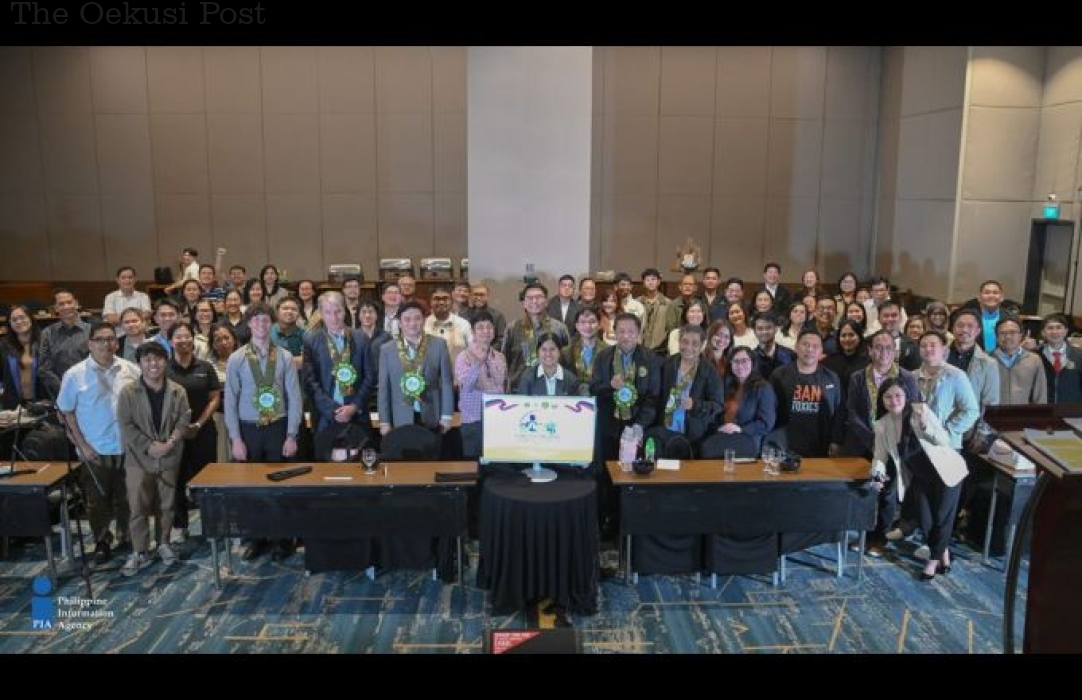
That pressure has paid off. In July 2026, the Philippine Department of Health launched a National Framework for the Prevention of Asbestos-Related Diseases, marking what labor advocates call a landmark, if incomplete, victory.
Behind the campaign is the Building and Wood Workers International (BWI), working in the Philippines alongside Union Aid Abroad-APHEDA. For years, the union coalition has organized workers, run awareness campaigns, and lobbied for a total ban on asbestos — including chrysotile, the so-called "white asbestos" that industry groups have long claimed can be used safely. Unions reject that claim outright.
The new Framework echoes many of the demands workers have raised: shifting the emphasis from treating asbestos-related diseases to preventing them in the first place, tightening regulation, protecting informal-economy workers and the communities around them, and helping industries transition to safer materials.
Central to the plan is something unions have pushed hard for — long-term health monitoring. Diseases like asbestosis and mesothelioma can take decades to surface, often well after a worker has moved on from the job that caused it. Without records tracking exposure over time, workers face an uphill battle proving their illness is linked to their old workplace when they seek compensation. The Framework's commitment to systematic monitoring aims to close that gap.
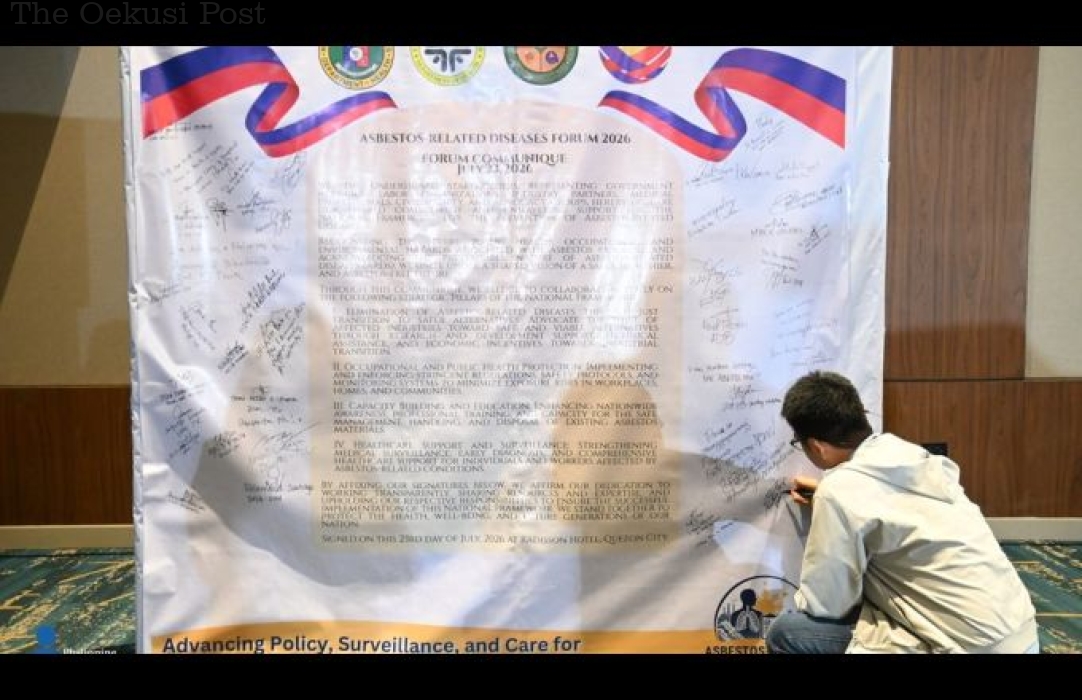
The plan also embraces the principle of a "just transition" — ensuring workers whose livelihoods currently depend on asbestos-containing materials aren't simply left behind as industries move toward safer alternatives, but are supported through the shift.
Turning the Framework into practice will require coordination across multiple government agencies: Labor and Employment, Environment and Natural Resources, Public Works and Highways, and Trade and Industry are all expected to work alongside Health in implementing the plan.
Still, unions are not declaring victory. BWI and its Philippine affiliates say a framework on paper won't protect a single worker unless it's backed by continued organizing, education, and enforcement on the ground. Their next target is clear: an outright ban on chrysotile asbestos, and a firm government timeline for phasing it out entirely.
"We fully support the National Framework," the groups said, "but urge the Ministry to clarify a date of full transition to safer materials as soon as possible." Their broader goal, they say, is simple — no worker should have to choose between a paycheck and their health.
The advocacy work is supported by the Australian Government's Department of Foreign Affairs and Trade (DFAT) through its IPEF Fund for Technical Assistance and Economic Cooperation.