


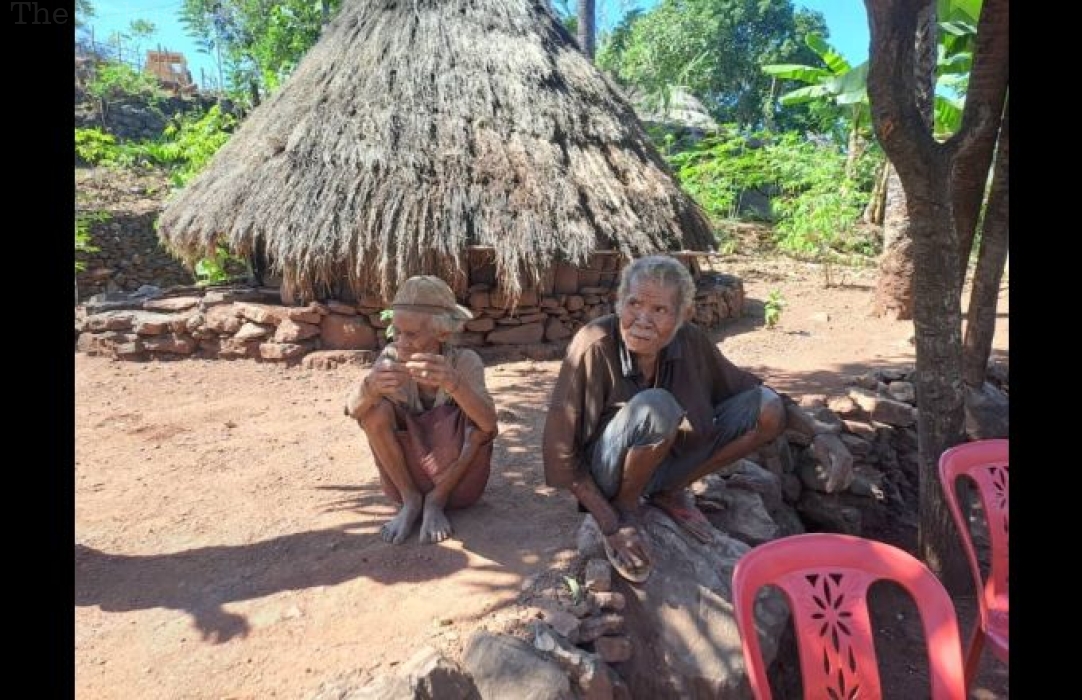
DILI (TOP) - Timor-Leste remains among the countries with the highest poverty rate in the Southeast Asian region (ASEAN), despite showing some progress during the last decade. According to the latest national survey with geographical details (TLSLS-3, 2014), 41.8% of the population lives below the national poverty line — down from 50.4% in 2007, and according to the international poverty line ($2.15/day, 2017 PPP), the rate is 24% in the same year.
Geographic Inequality
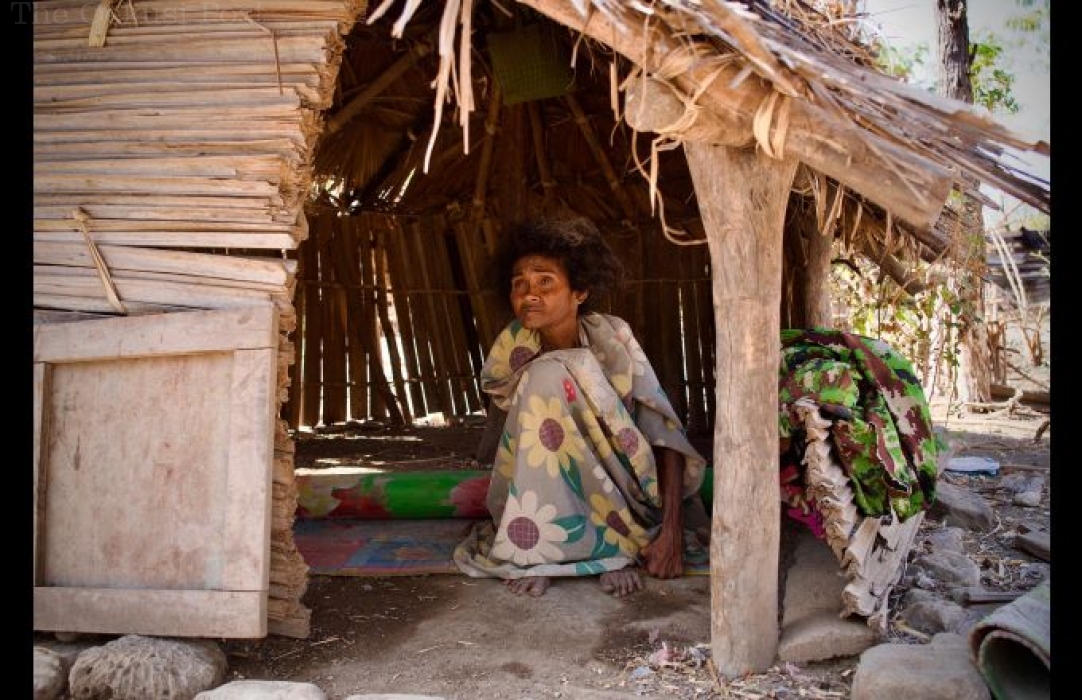
Rural areas have a poverty rate of 47.1%, compared to urban 28.3%. At the municipal level, Dili is the capital with the lowest rate (29.1%), while Oe-Cusse Ambeno is the poorest enclave region in the country (62.5% according to the national line), with the lowest per capita consumption ($49.3/month) and inequality (0.31) also among the highest. Ermera (56.7%) and Kovalima (53.1%) also had high rates.
The fact shows that the General State Budget (OJE) between 2014 and 2021 allocated to the Oe-Cusse Ambeno Special Administrative Region (RAEOA) and the Special Economic Zone and Social Market (ZEESM) is larger compared to other municipalities in Timor-Leste. RAEOA and ZEESM at that time led by former Prime Minister, current FRETILIN Secretary General and FRETILIN Interim President, Mari Bin Amude Alkatiri and Arsenio Paixão Bano.
These two figures lead RAEOA and ZEESM with the largest amount of money than other municipalities from 2014 to 2021, but data from various national and international organizations show that RAEOA is one of the poorest enclave regions in Timor-Leste. This is shown by various facts and data, not political propaganda.
Related news: A lot of money allocated to RAEOA-ZEESM allegedly of running into one pocket
RAEOA and ZEESM although received larger budget allocations, but the enclave region is still poor in land until today. The current government since taking power in 2023 until now has not shown positive signs to how to reduce and lift the enclave region from poverty and misery, because since 2023 concentrate too much or waste too much time demolishing the structure of RAEOA and affecting other municipal budgets, but the budget is still larger, but poverty remains widespread throughout Timor-Leste.
Current Projection (2026)
The World Bank Macro Poverty Outlook (April 2026) projects the international poverty rate ($3.00/day, 2021 PPP) to reach 44.3% in 2026, down slightly from 45.4% (2025) and 46.9% (2024), with a continued downward trend to 45.27% (2027) and 42.1% (2028). The below-average poverty rate ($4.20/day) is projected to be 71.7% in 2026. These numbers are forecast/nowcast models based on GDP-per-capita elasticity, not new consumption survey data. The Government of Timor-Leste has just completed the new poverty survey (TL-SLS 2023) in 2024, but the World Bank/INETL, I.P has not officially published the updated poverty estimate.
Regional Comparison
By GDP per capita ($1,574 projected 2026), Timor-Leste competes with Myanmar as the poorest economy in ASEAN. The two countries compete for the last position depending on the source and year. Myanmar's national poverty rate (32.1%, 2023-24) is sometimes lower than Timor-Leste's (41.8%, 2014), but the comparison does not play fair because of the 12-year data difference.
Interestingly, according to HDI (0.634), Timor-Leste is in the middle position in ASEAN (#8 out of 11), higher than Laos (0.617), Myanmar (0.609), and Cambodia (0.606) reflecting investment in health and education that has not been converted into monetary poverty reduction.
Key factors contributing to persistent poverty include a higher reliance on Petroleum Fund withdrawals in the context of a large and rising fiscal deficit (49% of GDP 2025, projected ~57% in 2026) after the end of oil production in 2025 marks the "post-oil phase", which poses a risk to future working informal dominates the economy (~77% of the labor force); and geographical inequality between the urban center (Dili) and peripheral municipalities (especially Oe-Cusse Ambeno).
The lack of current poverty data is a central challenge to the analysis, requiring continuous poverty policy decisions based on poverty information over the past 12 years (2014), while other ASEAN countries (Vietnam, Philippines, Thailand) have had poverty statistics updated every 3 or 5 years since Timor-Leste. 2014, almost 12 years will still be used. This is a major challenge for the authorities to make political decisions on how to reduce poverty in the country. The publication of the 2023 TL-SLS results will be an important moment for a realistic assessment of the impact of ZEESM, social policy, and the post-oil transition.