

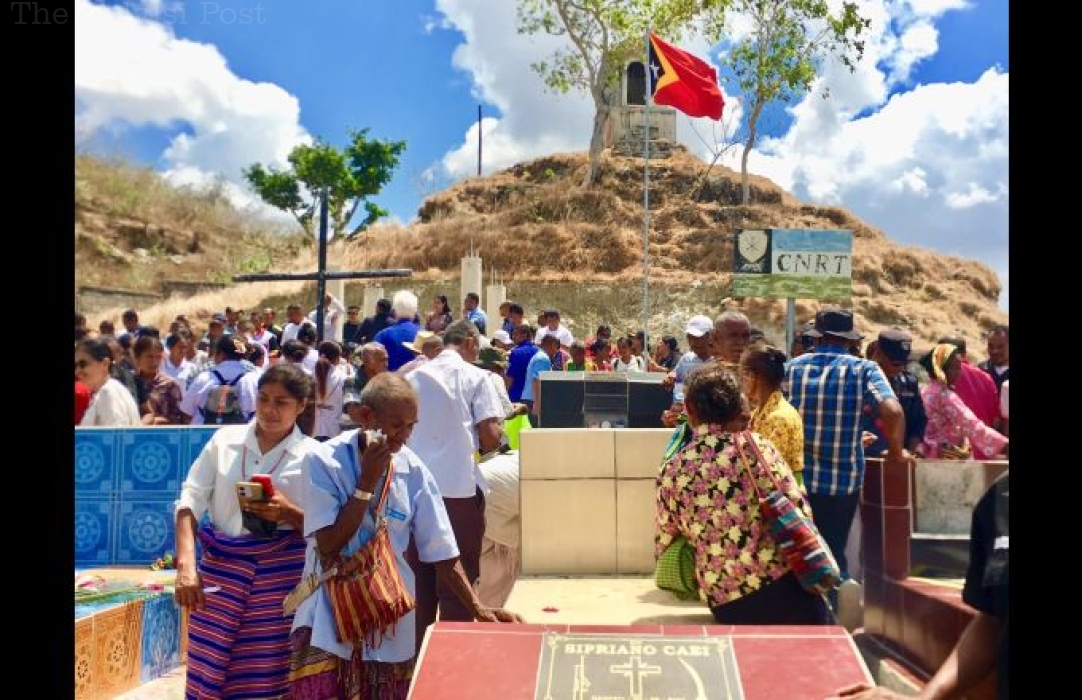
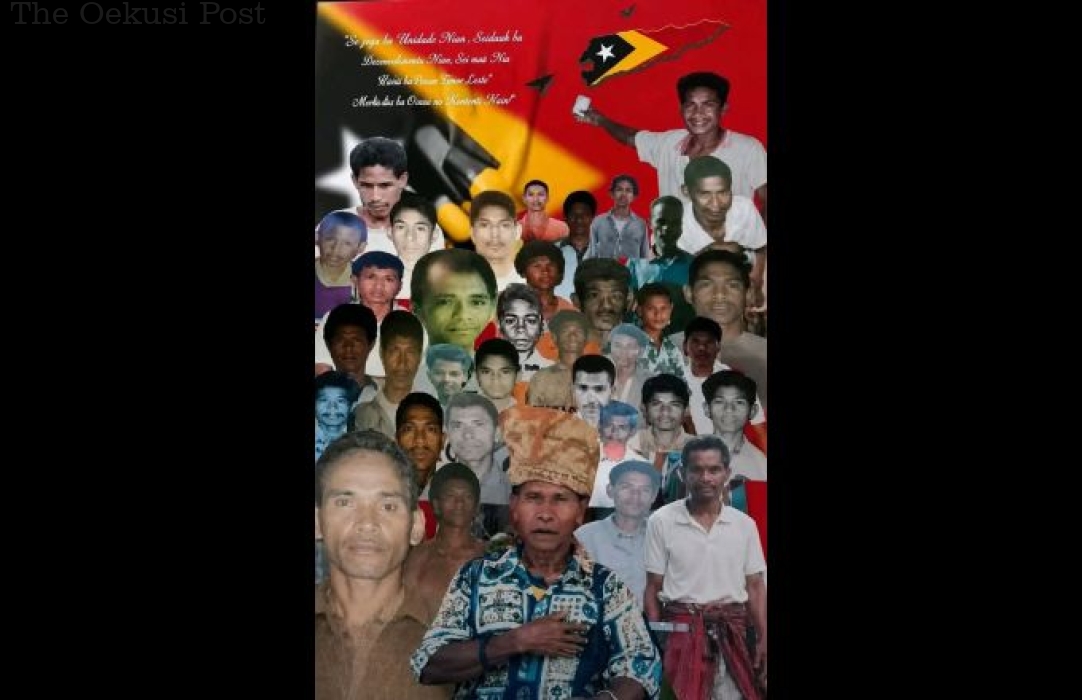
AMBENO (TOP) - Every early September, residents of the Bobometo village (Kiubiselo, Tumin and Nonkikan) in the Oe-Silo Administrative Post of Oe-Cusse Ambeno make their way along the path to the Tumin burial site. There, beneath mounds of earth now arranged as a memorial, lie the remains of 82 residents massacred during the two darkest days in the enclave's history: September 8 and 9, 1999.
Locals know the event as the Bobo-Ufe Massacre or the Tumin Massacre part of a wave of violence many East Timorese call "Black September." It was a period when pro-autonomy militias and elements of the Indonesian military unleashed a campaign of retribution after the August 30, 1999, referendum revealed that the majority of the Timorese peopleapproximately 78 percent of registered voters had chosen independence from Indonesia.
Two days that changed everything
According to survivor testimonies gathered over the years, the violence in Bobometo (Kiubiselo, Tumin and Nonkikan) began on the morning of September 8, 1999. Militia groups entered the area from multiple directions simultaneously: from Oe-Silo via the Nainaban route, from Pássabe toward Usitaqueno, and from Napan directly into the center of Tumin. During that first day of attacks, several community leaders including a village chief were among the victims.
The following night, the violence intensified drastically. Around 81 residents were rounded up and herded by the militia to a location known as Teunlasi. Only nine people managed to survive; dozens of others were executed. The total death toll over those two days reached 82 while some sources record slightly different daily breakdowns, survivors and victims' families consistently cite the total figure as 82 lives lost.
One of the survivors, Marcos Baquinwho hid during the incident and witnessed the executions in Teunlasi firsthand frequently shares his testimony with the younger generation in the lead-up to the annual commemoration of the tragedy. Another survivor, Crisviano Bobo Elo (affectionately known as "Manu Mean"), is a key figure who has diligently documented the names of the victims to ensure they are not lost from the collective memory of the people of Oe-Cusse Ambeno.
Part of a broader pattern of violence
The Bobo-Ufe massacre was not an isolated event. It occurred almost simultaneously with the wave of post-referendum violence across other parts of Timor-Leste—including the atrocities remembered in Maliana, Bobonaro, and Suai. In Oe-Cusse Ambeno itself, about a month after the Tumin incident, militias carried out another massacre in Maquelab on October 20, 1999, killing 13 more residents.
This pattern aligns with findings from various reports on the 1999 violence pro-autonomy militias, formed with the backing of Indonesian security forces, sought to intimidate the population into rejecting independence; when that effort failed at the ballot box, retaliatory violence erupted across the territory, killing at least 1,500 people nationwide and forcing hundreds of thousands to flee their homes, mostly to West Timor.
What makes the Bobo-Ufe Massacre case distinctive is the geographical position of Oe-Cusse Ambeno as an enclave separated from the main territory of Timor-Leste and surrounded by Indonesian territory. This geographical isolation delayed the arrival of external aid and attention during the crisis, while also causing the post-conflict process of restoring collective memory to move more slowly than in other regions.
Preserved memories, awaited justice
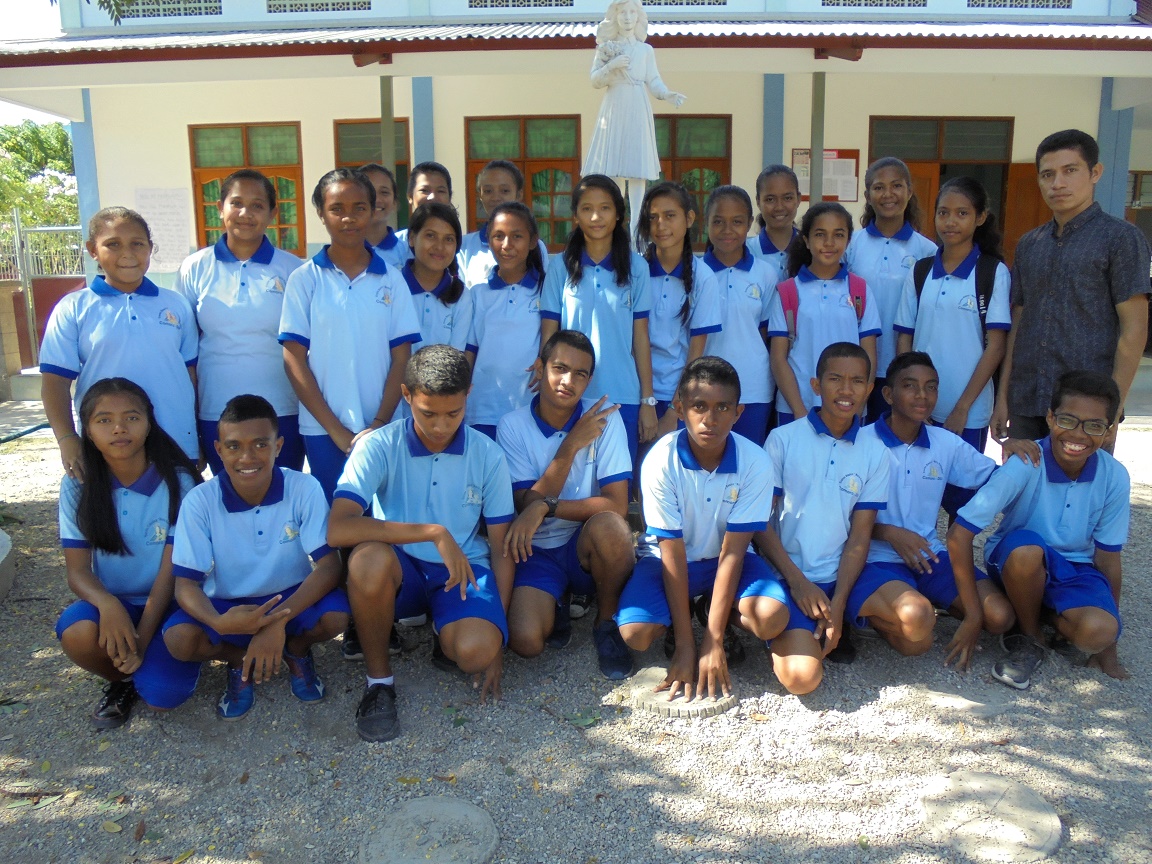
Every year, students and residents of RAEOA hold a march through the town of Oe-Cusse to the Tumin cemetery in Bobometo to commemorate this tragedy. This year marks the 27th anniversary of the event. Hundreds of students participate; some were born long after 1999 and know the story of the massacre only through the oral accounts of their parents and village elders.
Meanwhile, survivors and victims' families often voice the same sentiment: the independence they paid for with blood has not yet been fully matched by adequate development in the region where those sacrifices were made. Their requests are relatively simple: the construction of a proper memorial monument to prevent livestock from freely entering the mass grave site, and stronger official recognition of the event within the national historical narrative.
The RAEOA government has recently pledged to modernize monuments at massacre sites in Oe-Cusse, including Tumin and Maquelab, although construction is proceeding in stages.
For the people of Bobometo, the arrival of September is more than just a date on the calendar. It is a reminder that Timor-Leste’s independence—now celebrated as the fruit of a long struggle was also purchased with the lives of those who were besieged, executed, and buried together in their own ancestral soil; and that remembering is the very least one can do to ensure those sacrifices are never deemed in vain.