DILI (TOP) - Timor-Leste has been admitted as a Member State of the International Atomic Energy Agency (IAEA), marking the young nation's entry into the world's leading intergovernmental forum for nuclear science, safety and non-proliferation.
The decision was taken during the 70th Regular Session of the IAEA General Conference, held from 14 to 18 September in Vienna, Austria. The admission brings the total number of countries in the agency to 182. The accession was officially announced by the newly elected President of the General Conference, Gustavo Zlauvinen, during the opening sessions in Vienna.
Timor-Leste's delegation to the conference was led by Vice Minister of Foreign Affairs and Cooperation Jesuína Maria Ferreira Gomes, accompanied by the country's Ambassador to Switzerland, António da Conceição, and other officials.
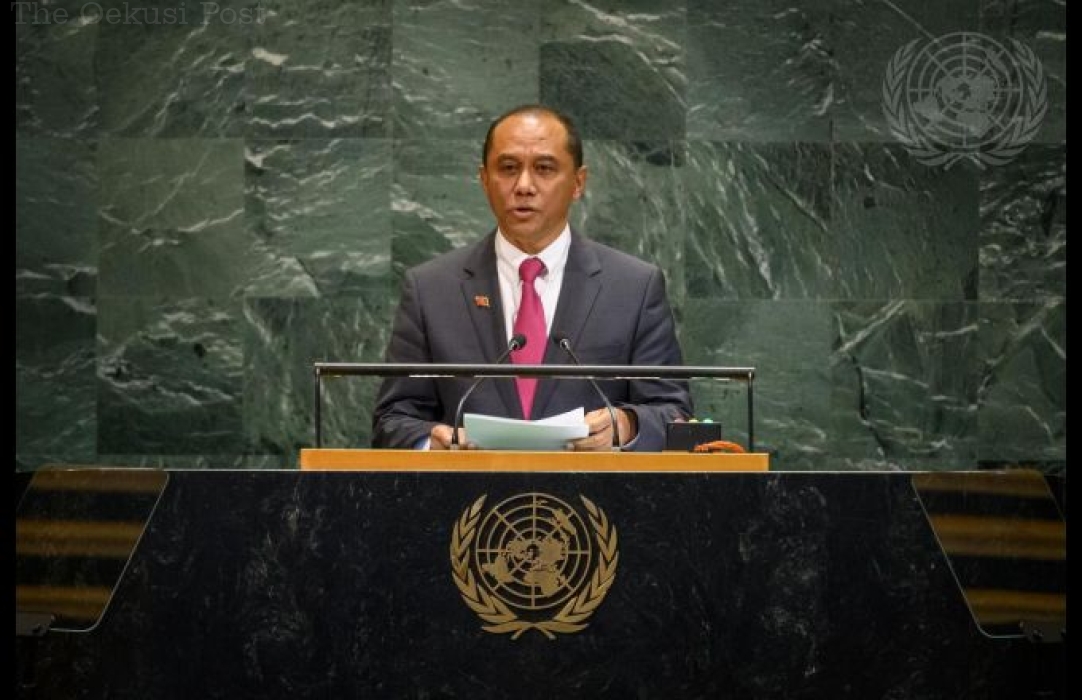
Addressing the General Conference following the announcement, Vice Minister Gomes thanked the IAEA's Board of Governors, the General Conference and its Member States singling out Asia-Pacific partners for their support throughout the accession process. She said Timor-Leste's membership reflects the country's commitment to multilateralism, nuclear non-proliferation and the peaceful use of nuclear science and technology.
The Vice Minister also outlined national priorities in water, agriculture, health and energy, and pointed to the need to strengthen domestic regulatory capacity, underscoring Timor-Leste's intention to be a reliable partner to the Agency going forward.
Timor-Leste's application for IAEA membership had been under consideration for several months. In November 2025, IAEA Director General Rafael Mariano Grossi welcomed the country's submission of its membership application in remarks to the Board of Governors.
The milestone follows Timor-Leste's accession to ASEAN in October 2025 a two-decade process that concluded at the 47th ASEAN Summit part of a broader push by Dili to deepen its integration into regional and international institutions.
IAEA membership gives Timor-Leste access to the Agency's technical cooperation programmes, which span areas such as food security, water management, health and energy the same priority sectors the Vice Minister raised in her remarks to the General Conference. Held annually since the IAEA's founding in 1957, the General Conference is the Agency's principal policymaking forum, where Member States review its work and set priorities across safeguards, safety and the peaceful uses of nuclear technology.