The Oekusi Post participated as a media partner for the Foreign Policy Community of Indonesia (FPCI) during this session.
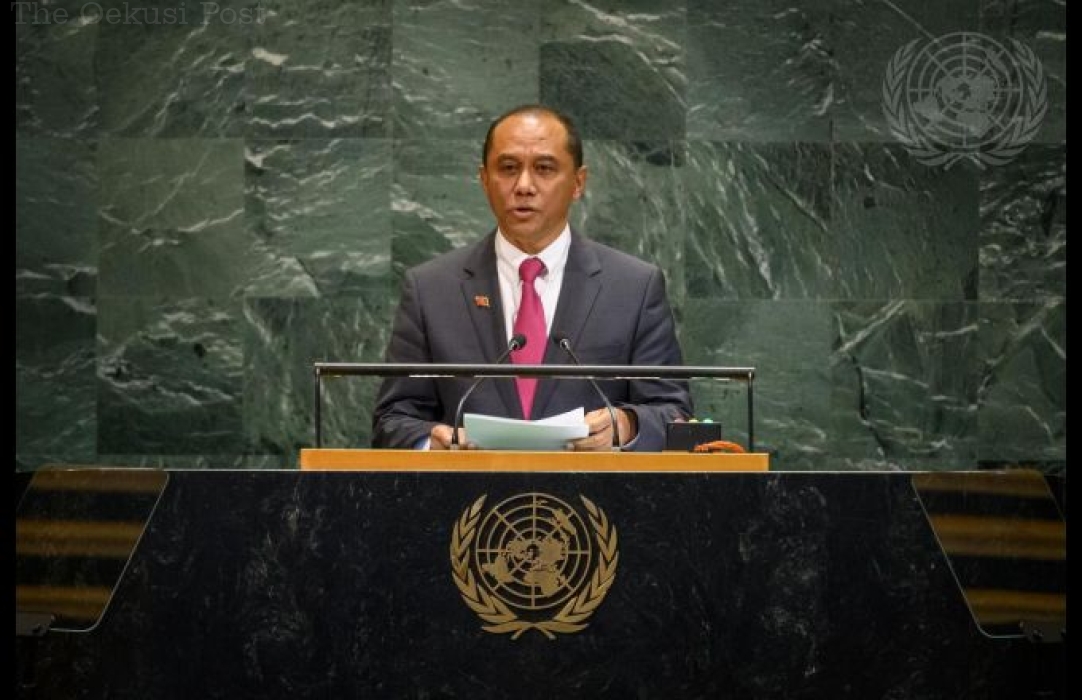
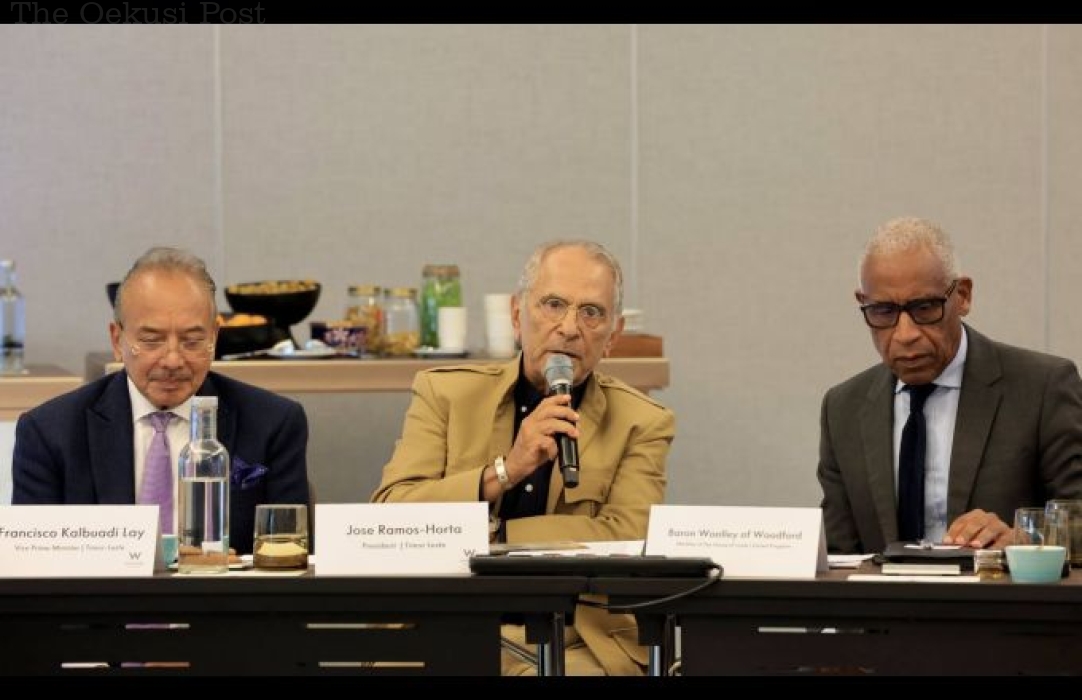
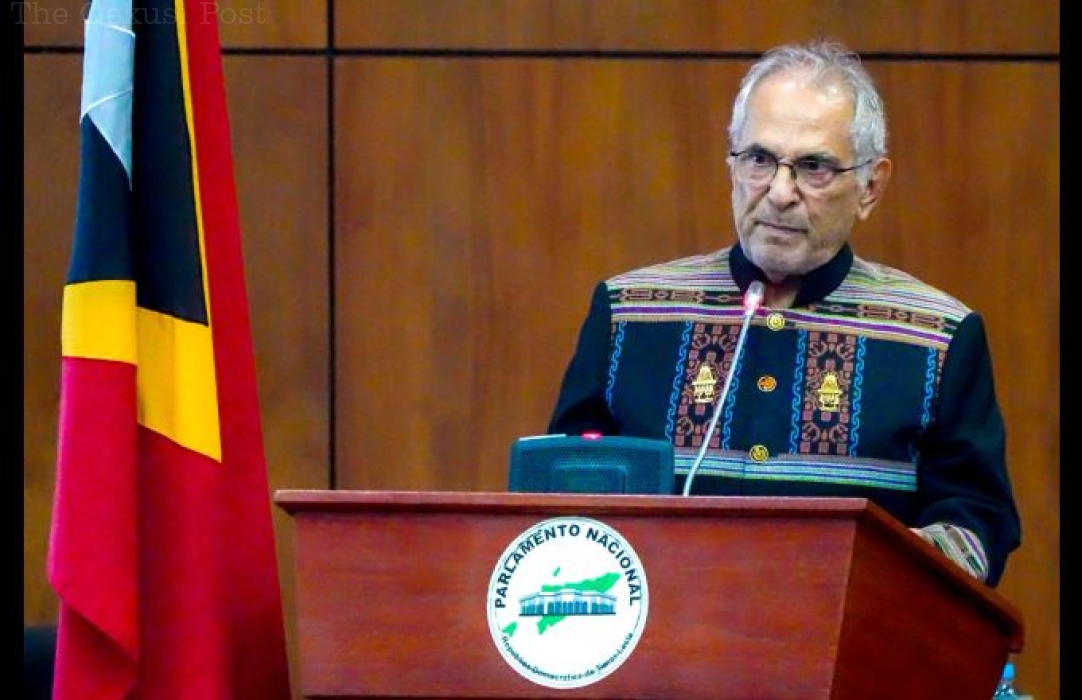
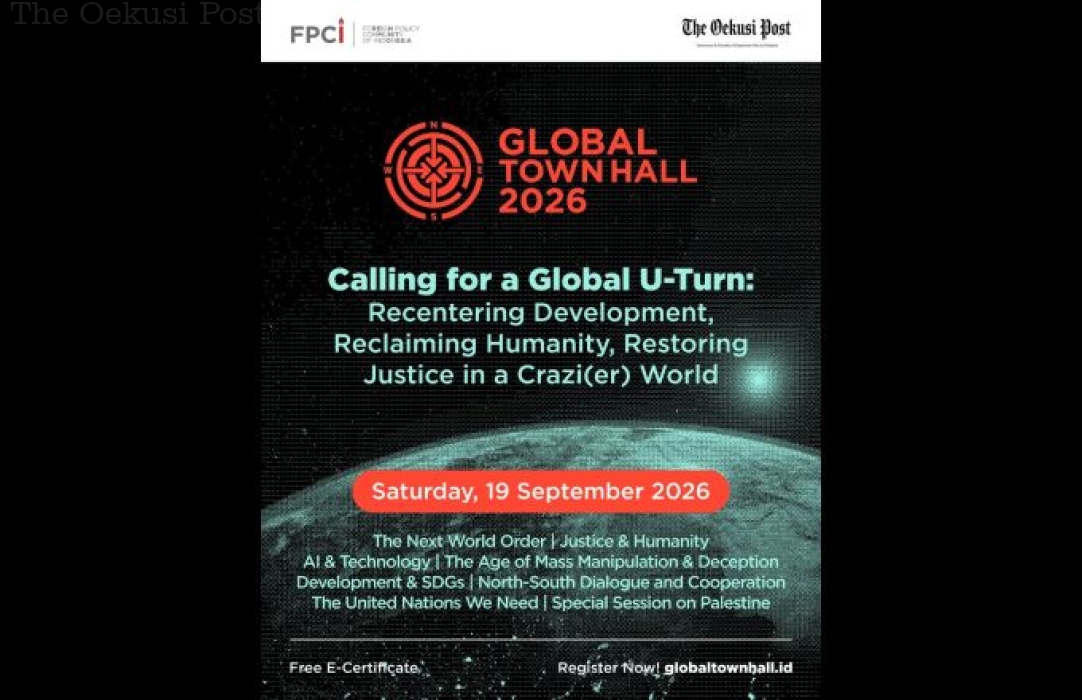
DILI (TOP) – Amidst the largest foreign policy forum organized by the Foreign Policy Community of Indonesia (FPCI), one figure from the Pacific region drew significant attention: the President of Timor-Leste, José Ramos-Horta. The Nobel Peace Prize laureate was among the world leaders confirming their attendance at the Global Town Hall 2026 a virtual forum themed "Calling for a Global U-Turn: Recentering Development, Reclaiming Humanity, Restoring Justice in a Crazi(er) World" held on Saturday, September 19, 2026. During the special session featuring Ramos-Horta, The Oekusi Post participated as an FPCI media partner, bolstering coverage of this global-scale multilateral forum from a Timor-Leste perspective.
Ramos-Horta’s presence was far more than merely symbolic. He appeared in a session titled "The United Nations We Need," a direct dialogue between the prospective UN Secretary-General candidate Rebeca Grynspan (from Costa Rica) and representatives of global civil society. Moderated by Desi Anwar, a Senior Anchor at CNN Indonesia, the session took place from 19:20 to 20:35 WIB an event organizers described as a rare opportunity for a future top UN leader to listen directly to the aspirations and concerns of the public from across the globe.
A long track record in UN forums
For Ramos-Horta, multilateral forums of this nature are nothing new. His relationship with the UN dates back long before his presidency; since his youth as a political exile traveling the world to champion Timor-Leste’s struggle for independence from occupation, he has been widely recognized as one of the most tenacious diplomats to bring the Timor-Leste issue to the tables of international diplomacy. That struggle culminated in the 1996 Nobel Peace Prize, awarded to him and Bishop Carlos Filipe Ximenes Belo for their efforts to seek a just and peaceful resolution to the conflict in Timor-Leste.
His track record at the UN continued well beyond independence. At the 2023 UN General Assembly, for instance, Ramos-Horta thanked President Joko Widodo for Indonesia’s ASEAN chairmanship, which successfully drafted a roadmap for Timor-Leste’s eventual full membership in the bloc—a speech that garnered significant attention in the Indonesian media. That moment reflected a consistent pattern in Ramos-Horta’s diplomatic style at the UN: utilizing the global stage not merely to articulate Timor-Leste’s views, but also to build and nurture alliances with nations supporting his country’s journey toward full integration into the international order, including ASEAN.
In other arenas, Ramos-Horta is also known for actively championing ideas for global governance reform. Recently, at an international forum in Jakarta, former Indonesian President Megawati Soekarnoputri proposed that Ramos-Horta initiate a regular dialogue forum bringing together thinkers, Nobel laureates, and world political leaders to discuss solutions to global humanitarian crises. This proposal positioned him as a figure possessing the moral legitimacy to lead such an initiative, owing to the combination of his Nobel Peace Prize status and his extensive experience negotiating in multilateral forums.
A small nation's voice at the big table
It is against this backdrop that Ramos-Horta’s presence at the "The United Nations We Need" session feels particularly relevant. Having witnessed firsthand how the UN through the UNTAET mission managed Timor-Leste’s transition to full independence in 2002, Ramos-Horta brings a rare perspective: the view of a leader from a small nation who has experienced both the benefits and the limitations of the UN system on a deeply personal level. This perspective aligns with the "North-South-East-West" spirit championed by this year's Global Town Hall an initiative aimed at bringing to the global policy-making table voices that have often been marginalized.
He appeared alongside various other heads of state and government, including Irish Taoiseach Micheál Martin, Papua New Guinean Prime Minister James Marape, Iranian Foreign Minister Abbas Araghchi, Vietnamese Foreign Minister Lê Hoài Trung, and former heads of state such as Laura Chinchilla (Costa Rica), Danilo Türk (Slovenia), and Francisco Sagasti (Peru). Ramos-Horta’s presence among these leaders places Timor-Leste in the same conversation as nations that are far larger and more diplomatically established.