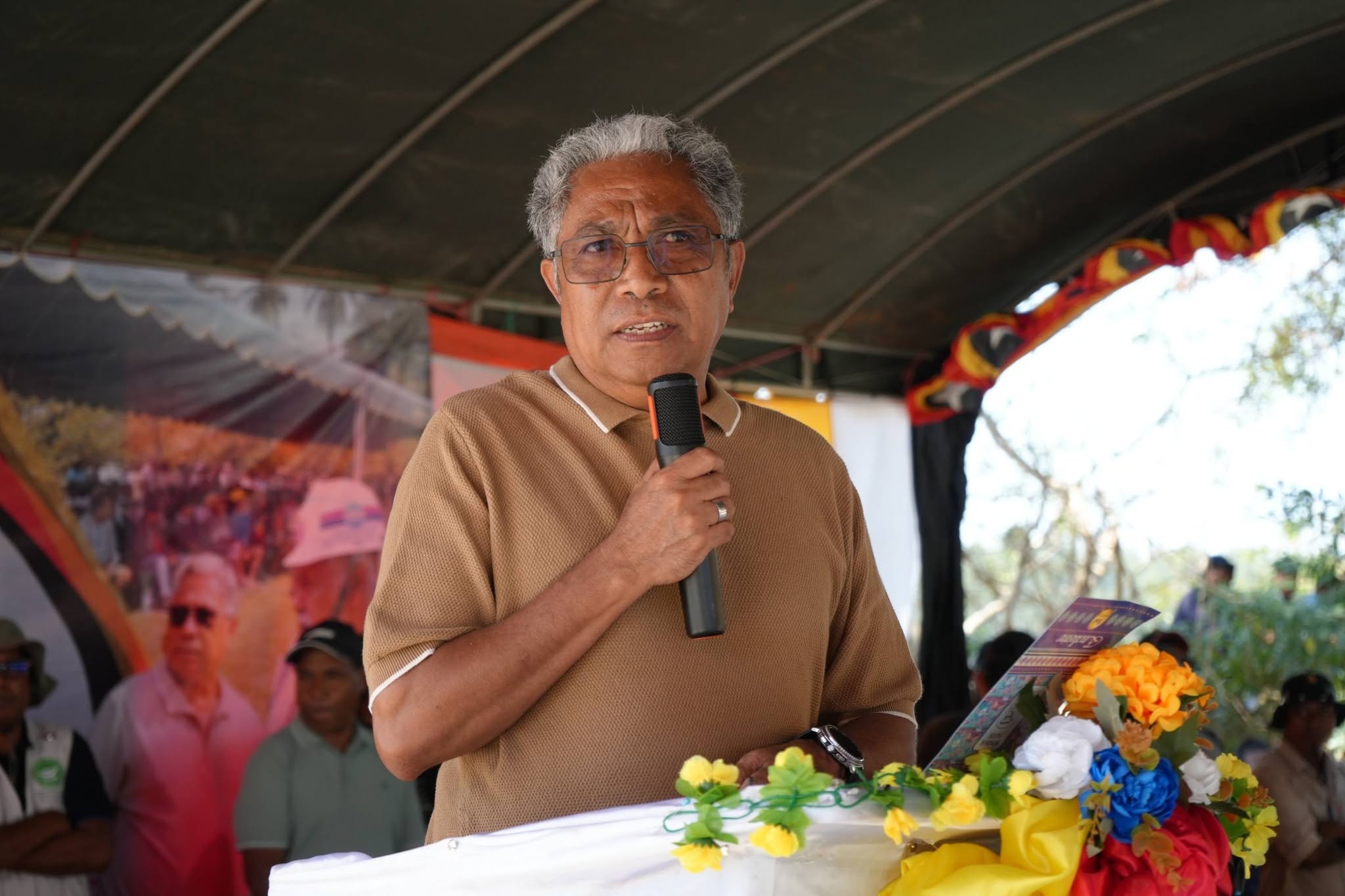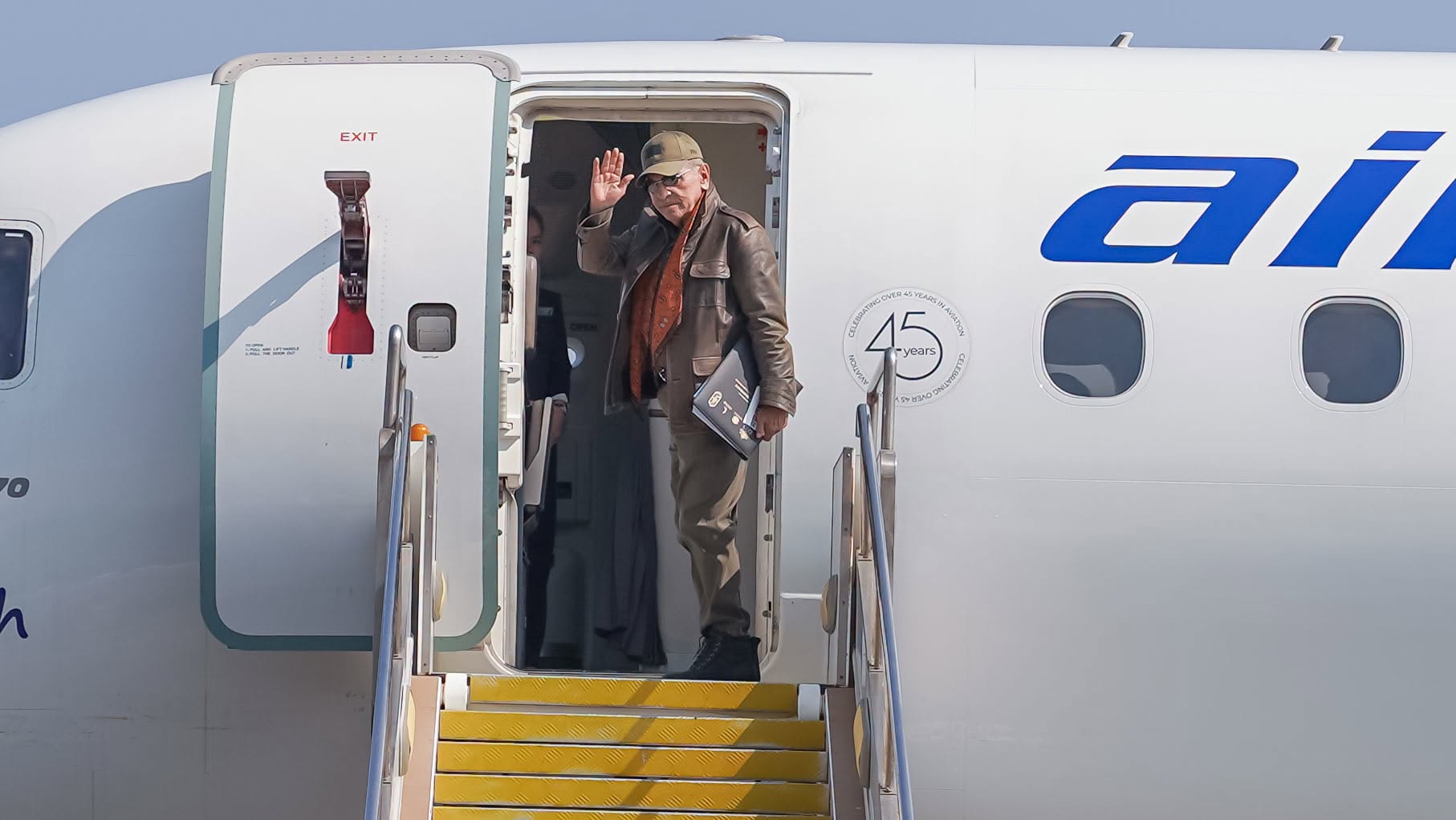



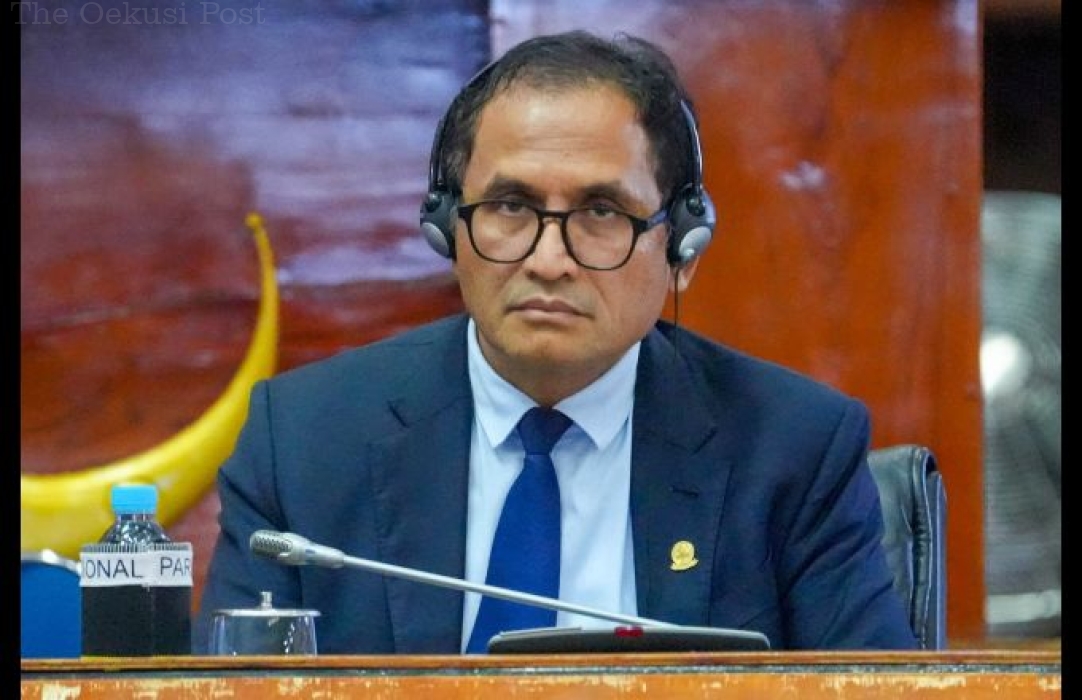
DILI (TOP) - Francisco da Costa Monteiro has been naming dates for the Greater Sunrise gas field since before he was a minister. In June 2019, as chief executive of the state oil company TIMOR GAP, he told an energy conference in Australia that a final investment decision within two or three years was reasonable and that the country could be shipping liquefied natural gas by 2025 or 2026. Last week, from a podium at the Gastech conference in Bangkok, he named another one.
Production, he said, will likely begin in 2034 or 2035.
REUTERS reported the remark as a two-year slip, which it is: Timor-Leste and its Australian partner Woodside had given a window of 2032 to 2035 the year before, the first timeline the two sides had announced jointly. But the significance is not the two years. It is where the new date lands.
According to the government's own projections, cited by the World Bank, the Petroleum Fund, the roughly US$19 billion sovereign account that now underwrites nearly the entire state budget, could be fully depleted in 2034, or sooner depending on how fast Dili spends. The Bank's more recent assessment puts depletion as late as 2038. Either way, the arithmetic has now closed to a point. On the petroleum minister's own best case, the first molecule of Sunrise gas arrives at or after the moment the money it is meant to replace runs out. And first gas is not first revenue: under standard cost-recovery terms, years pass between a field producing and a treasury being paid.
For two decades, Greater Sunrise has been described in Dili as a bridge to the post-oil era. The bridge now lands on the far side of the cliff.
What the record shows
The dates have moved in one direction only.
|
Announced |
Target for first gas |
|
June 2019, Credit Suisse conference (Monteiro, TIMOR GAP) |
2025–26 |
|
June 2025, LNG Producer-Consumer Conference, Tokyo (Monteiro, minister) |
2032 |
|
November 2025, concept study agreement with Woodside |
2032–35 |
|
September 2026, Gastech, Bangkok (Monteiro) |
2034–35 |
In Tokyo in June 2025, Monteiro said an independent concept study had confirmed that an onshore LNG development in Timor-Leste was a commercially viable option, and set a target of first gas by 2032. Fifteen months later, the low end of the range is gone.
One discrepancy in the record deserves an answer. When the cooperation agreement was signed at the Timor-Leste Energy, Mining and Business Forum in Dili in November 2025, at least one industry publication reported the study as targeting production for 2028 to 2030, a window neither government has used since. The agreement text has not been made public.
Three documents, and the one that matters
The negotiation Monteiro said was "finalised" last week is not a single thing. It is three instruments, and their status has been disclosed only in fragments, mostly through government press releases rather than parliament.
In April, after Prime Minister Xanana Gusmão met Australia's special envoy for Greater Sunrise, Katrina Cooper, at the Government Palace, the government said talks were at an advanced stage on a Production Sharing Agreement, a Fiscal Regime, and a Petroleum Mining Code, the last of which had already been finalised. Intensive sessions were under way, including virtual rounds and in-person meetings scheduled for June in Dili and Canberra.
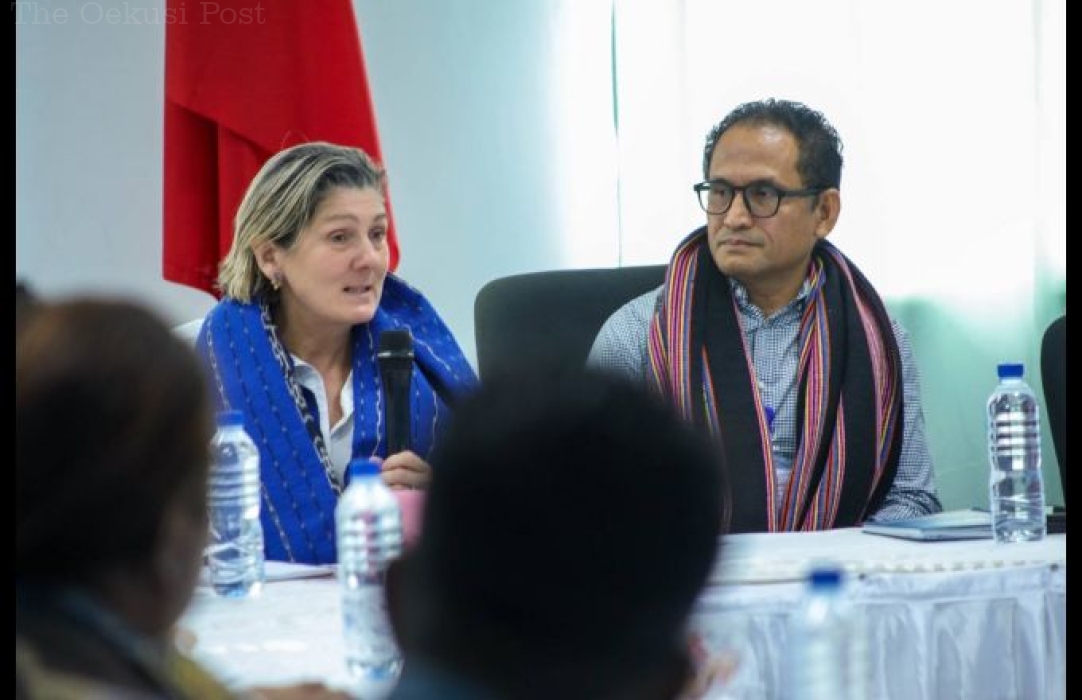
By late August, the file had a different public face. It was Agio Pereira, Minister of the Presidency of the Council of Ministers, described by the government as lead interlocutor on Greater Sunrise, who received Woodside vice-president Paul Sullivan and country director António dos Santos in Dili to review the legal, fiscal, technical and commercial frameworks.
Which raises the first unanswered question. If the Production Sharing Agreement and the Fiscal Regime are now settled, that is a larger story than any delay, and neither government has said so. If "finalised" describes only the conclusion of a round of meetings, the word is doing a great deal of work in front of an international audience of investors.
The fiscal regime is not a technicality. It determines how many years after 2034 the state sees a dollar. It has never been published.
The trough
Beneath the diplomacy sits a trench.
The November 2025 agreement frames a Timor-based LNG concept of roughly 5 million tonnes per annum. It remains a study framework. Concept selection, front-end engineering, environmental review, fiscal terms and financing all stand between it and a final investment decision, and comparable Asia-Pacific gas projects have taken an average of five to seven years to clear those stages. The 2032–35 window, one regional analysis noted, assumed favourable conditions: that a deepwater pipeline across the Timor Trough proves feasible at acceptable cost, and that LNG markets in the early 2030s justify a construction commitment estimated at US$7.6 billion.
Woodside's objection to the trough crossing is older than the state's majority stake. As far back as 2010, the company opposed an onshore Timorese terminal on the grounds of the technical difficulty and cost of running a pipeline over a deep ocean trench, while Dili insisted on a south-coast plant and the industry it would bring. The company has never publicly retired that objection. In 2020 it wrote the carrying value of Sunrise down to zero.
Five to seven years measured from a concept study begun in late 2025 produces a final investment decision somewhere between 2031 and 2033. Monteiro told Bangkok he expects one by 2029. Nobody at Woodside has publicly endorsed that date.
The Chuditch problem
Alongside Sunrise, Monteiro offered Bangkok a second piece of good news: that SundaGas hoped to commercialise the Chuditch gas discovery soon.
The company's own filings tell a harder story. In July, Sunda Energy confirmed it had held discussions with the upstream regulator ANP and state partner TIMOR GAP following a notice of intention to terminate the Chuditch production sharing contract, and said it was assessing its options, including how to proceed with the planned Chuditch-2 appraisal well. Its interim results for the six months to 30 June listed the award of an environmental licence in Timor-Leste alongside that termination notice and its 120-day remedy period. As of last week, the PSC remained inside that remedy period.
The environmental licence for Chuditch-2 was granted on 9 March 2026 and runs to 9 March 2028. The appraisal well, once scheduled for the second quarter of 2025, has been repeatedly postponed for want of a rig.
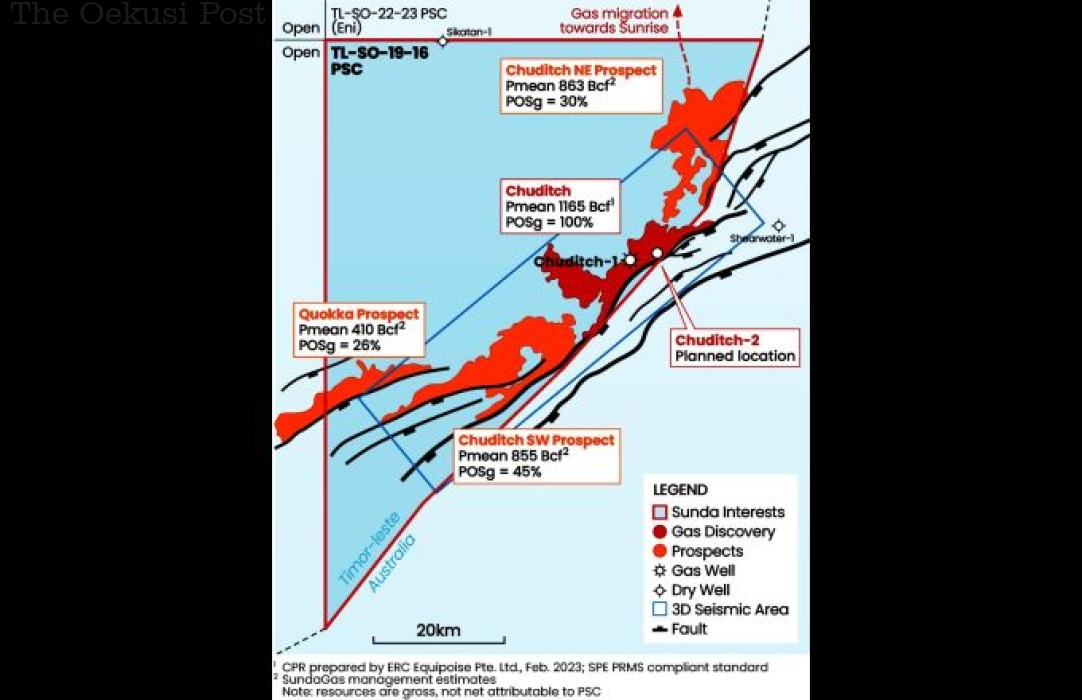
So the minister described as near-commercial a discovery whose licence his own regulator has moved to cancel. Either the default has been cured and no one announced it, or the Bangkok audience was told something the filings do not support.
There is a further wrinkle. The Chuditch block lies roughly 185 kilometres south of Timor-Leste about 100 kilometres east of Bayu-Undan and 50 kilometres south of the planned Sunrise development and sits near existing processing infrastructure in Indonesia and northern Australia. Any commercialisation route that leans on Darwin runs directly against the onshore-processing doctrine that has governed Timorese petroleum policy for twenty years.
The case against the state's own position
It would be dishonest to report the delay only as something done to Timor-Leste.
TIMOR GAP holds 56.56 percent of the venture, acquired for US$650 million from Shell and ConocoPhillips in 2019, and has since moved to take on Osaka Gas Australia's interests as well. Woodside operates with 33.44 percent. A sovereign majority means a sovereign share of the capital call on a US$7.6 billion project — from a treasury already running a deficit that the 2026 budget puts at 59.5 percent of GDP, financed mainly by withdrawals above the Estimated Sustainable Income limit.
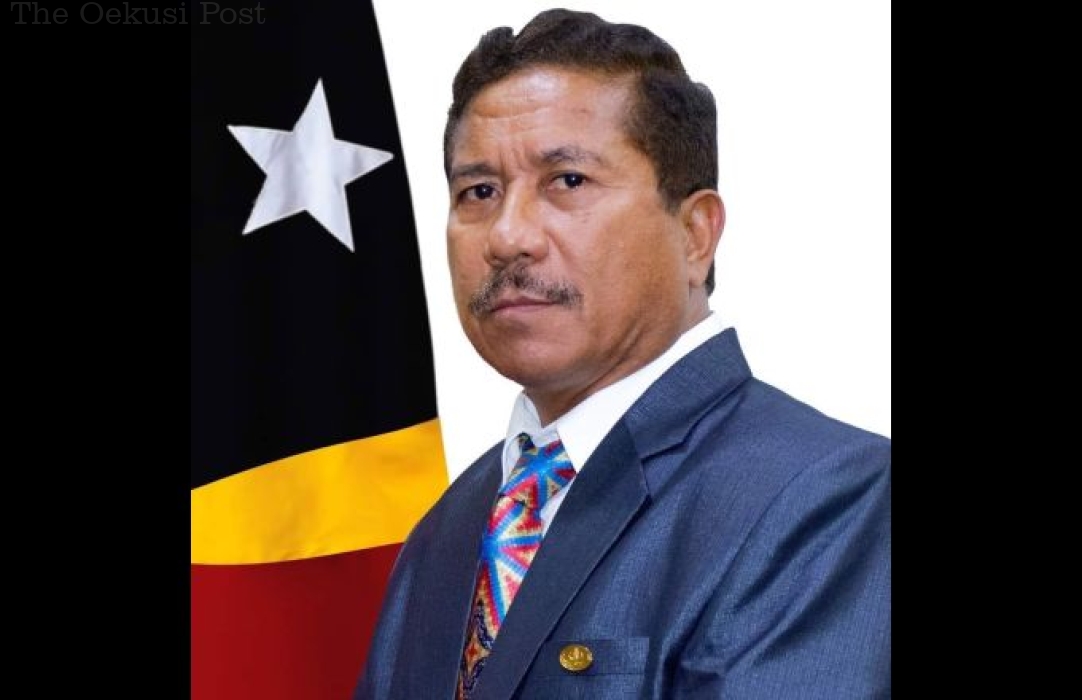
Former Minister of Petroleum and Minerals, Victor da Conceição Soares said publicly in 2020 that the equity purchase had been a political decision taken ahead of the feasibility analysis, and that the economic case assembled under the previous leadership including Monteiro's own tenure at TIMOR GAP had been built backwards. Independent assessors appointed jointly by the two governments during the maritime boundary talks had earlier found that the Timorese development plan would require billions of dollars in direct subsidy to work.
Those assessments are contested, and they were made before the 2024 concept study the government now cites. But they have never been rebutted with published numbers, and the study that supposedly supersedes them has not been released.
What Dili is buying with time
Meanwhile the fiscal position hardens. Bayu-Undan, the field that filled the Petroleum Fund for two decades, stopped producing meaningful revenue before 2025; petroleum receipts fell to around US$36 million in 2025. Non-oil exports ran at roughly US$41 million against imports near US$960 million, with coffee supplying close to 90 percent of non-oil export earnings. The 2026 budget of about US$2.24 billion is financed almost entirely from the Fund, including an estimated US$1.18 billion drawn above the sustainable limit.
The government's answer is Sunrise. President José Ramos-Horta has said publicly that if Woodside does not move, Chinese or Kuwaiti companies could develop the field. PM Xanana signed a comprehensive strategic partnership with Beijing in 2023 covering military cooperation and Belt and Road investment. Canberra's response has been a dedicated special envoy. Until someone produces a term sheet, the alternative-partner argument is leverage, not a plan.